
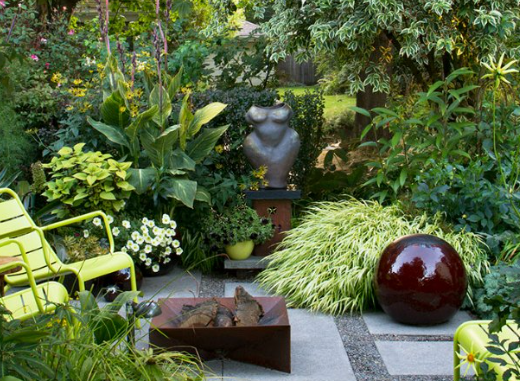
Garden Landscape Architecture: Transforming Outdoor Spaces
Garden landscape architecture is an art form that merges creativity with functionality, designed to enhance outdoor spaces for personal enjoyment and environmental benefit. As more people seek serenity in nature, this discipline has gained relevance, offering innovative solutions to make gardens not only beautiful but also sustainable.
The Role of Design Principles in Garden Landscape Architecture
Effective garden landscape architecture relies on fundamental design principles such as balance, unity, and scale. Balance can be achieved through the strategic placement of plants and structures, allowing for a cohesive look that feels harmonious. Unity brings various elements together to create a feeling of wholeness, ensuring that every part of the garden complements the others. Scale is critical too; choosing plants and materials that fit the space allows for a comfortable and inviting atmosphere. When these principles are applied thoughtfully, the result can be a stunning garden that invites exploration and relaxation.
Sustainable Practices in Garden Landscape Design
Sustainability is increasingly central to garden landscape architecture. By incorporating native plants, we can create low-maintenance gardens that provide habitats for local wildlife while requiring fewer resources for care. Water-efficient irrigation systems, such as drip irrigation or rainwater harvesting, help conserve water. Additionally, using organic gardening practices minimizes chemical use, promoting a healthier ecosystem. By adopting these sustainable practices, landscape architects not only enhance the aesthetic appeal of a garden but also contribute to environmental conservation.
Incorporating Functionality into Garden Spaces
Beyond beauty, garden landscape architecture focuses on making outdoor areas functional for various activities. This could mean designing a space for entertaining, creating pathways for easy navigation, or including features like seating areas or fire pits. Zoning different areas of a garden can also help to define spaces for relaxation, gardening, or play. By carefully considering the intended use of the space, landscape architects can create gardens that enhance outdoor living while catering to the needs and wishes of the users.
In conclusion, garden landscape architecture offers a unique fusion of art, sustainability, and functionality that enhances outdoor living spaces. Whether for personal enjoyment or community revitalization, investing in thoughtful landscape design can transform any garden into a vibrant, welcoming space. If you’re interested in exploring these principles further, consider consulting with a landscape architect or starting a small project in your own garden. Let your creativity flourish!