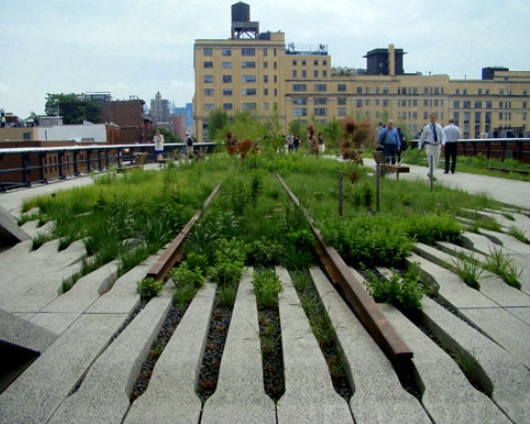
In the heart of New York City, the High Line stands as a remarkable testament to innovative urban design and revitalization. Originally an abandoned railway track, this elevated park embodies the vision of landscape architect James Corner and a community eager for green space in a dense urban environment.
1. The Concept Behind the High Line
The High Line was born out of a need to transform what was once a dilapidated and unusable railway line into a vibrant public park. James Corner’s design philosophy emphasized the intertwining of nature and urban life, aiming to create a space that fosters community interaction and ecological preservation. The project began in 1999, spurred by community advocacy and the vision of local residents who sought to repurpose the abandoned structure.
Corner envisioned the High Line as an example of “landscape urbanism,” integrating natural elements within the urban fabric. Its unique design not only enhances the aesthetic quality of the neighborhood but also provides much-needed green space for the city’s residents. The park’s layout features walking paths lined with native plants, inviting visitors to reflect on nature amid the bustling city backdrop.
-
- Research the history of the High Line to understand its transformation.
-
- Explore the concept of landscape urbanism and its relevance today.
-
- Consider how abandoned infrastructure can be repurposed for public use.
-
- Visit the High Line to experience its design firsthand.
2. Key Design Elements
James Corner’s design for the High Line incorporates distinct features that make it an unparalleled urban space. One prominent aspect is the use of native plants, which not only thrive in the local ecosystem but also attract wildlife, promoting biodiversity. The design intentionally blends landscape with architecture, featuring seating areas, performance venues, and art installations that encourage visitors to engage with their surroundings.
Moreover, the materials used in the construction reflect the industrial roots of the site. Weathered steel and reclaimed wood are prevalent throughout the park, celebrating its history while providing a modern context. The High Line also includes panoramic views of the Manhattan skyline and the Hudson River, allowing visitors to appreciate the beauty of the city from an entirely new perspective.
-
- Identify different zones within the High Line, such as gardens and gathering spaces.
-
- Take note of the materials used in landscaping and furniture.
-
- Observe how art is integrated into the park’s design.
-
- Participate in community events hosted in the park.
3. Community Impact and Sustainability
The High Line has not only served as a recreational space but has also positively impacted the surrounding neighborhoods economically and socially. Since its opening, property values in the area have significantly increased, spurring new business development and job creation. This revitalization showcases how green spaces can enhance urban economics while improving residents’ quality of life.
Moreover, the High Line promotes sustainability and environmental consciousness. By fostering a green corridor in a dense urban area, it serves as a model for future urban developments. The park operates sustainably, incorporating rainwater harvesting, native plant gardening, and free public programs aimed at educating visitors about ecological stewardship.
-
- Engage with local businesses that have emerged since the High Line’s opening.
-
- Support sustainable practices you observe in the park’s maintenance.
-
- Attend workshops or events focused on ecology and community art.
-
- Advocate for more green spaces in urban environments.
In conclusion, the High Line offers a compelling example of how urban spaces can be reimagined through innovative design and community involvement. Whether you visit for the views, the art, or simply a breath of fresh air, take the time to appreciate how such projects can positively transform neighborhoods and lifestyles. Consider exploring your own local spaces to see how they might benefit from similar revitalization efforts.