
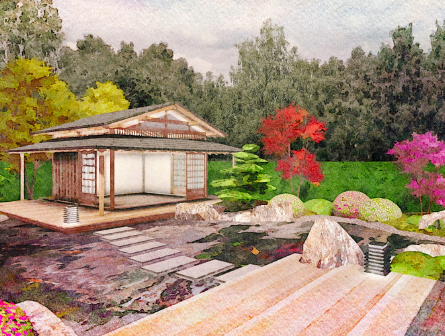
Japanese landscape architecture is a fascinating blend of art, nature, and culture. As urban areas continue to grow, understanding the principles behind Japanese landscapes can inspire sustainable design practices worldwide. This article explores the essence of Japanese landscape architecture and highlights a few renowned architects who embody these principles.
The Philosophy of Japanese Landscape Architecture
Japanese landscape architecture is deeply rooted in the country’s history, spirituality, and environmental awareness. Traditional gardens often reflect a harmonious relationship between humanity and nature, creating tranquil spaces that encourage reflection and mindfulness. Concepts like “wabi-sabi,” which appreciates the beauty in imperfection and transience, significantly influence garden design. By embracing these philosophies, landscape architects create settings that resonate with the natural world, promoting not just beauty but also sustainability.
Influential Japanese Landscape Architects
Several prominent landscape architects from Japan have made their mark both locally and globally. One such figure is Isamu Noguchi, who skillfully integrated landscape features into public spaces, emphasizing the interplay between art and nature. Another notable architect, Masao Aoki, focused on ecological restoration and integrating contemporary practices with traditional Japanese aesthetics. Their works inspire new generations of architects to prioritize ecological balance and cultural respect in design.
The Impact of Japanese Gardens on Modern Design
Japanese gardens have inspired landscape architects around the world, influencing design elements that emphasize simplicity, natural materials, and seasonal changes. The careful arrangement of rocks, water, and plants can create a sense of peace and serenity, making these gardens ideal models for urban spaces in need of revitalization. Furthermore, Japanese gardens often serve as educational tools, demonstrating the importance of biodiversity and sustainability. This global influence has led many architects to incorporate Japanese principles into their designs, fostering a deeper appreciation for natural landscapes.
In conclusion, Japanese landscape architecture offers rich insights into creating harmonious spaces that highlight the beauty of nature. By exploring the underlying philosophies and learning from influential architects, we can develop sustainable design practices that resonate with both nature and humanity. If you’re curious about creating your own garden or want to delve deeper into this beautiful art form, consider researching further or visiting a Japanese garden in your area. Embrace the harmony of nature in your own surroundings!