
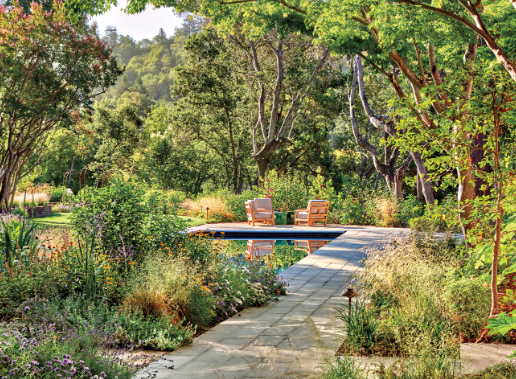
Landscape and architecture design play a crucial role in shaping our environments, influencing how we interact with our surroundings. With an increasing focus on sustainability, harmony, and functionality, the integration of these two elements has never been more relevant. This article explores key aspects of landscape and architecture design that enhance both aesthetic appeal and environmental responsibility.
The Relationship Between Landscape and Architecture
One of the most significant aspects of landscape and architecture design is their interdependence. Effective design creates a seamless flow between indoor and outdoor spaces, enhancing usability and visual appeal. The strategic placement of trees, shrubs, and pathways can complement architectural structures while improving functionality. For instance, a well-planned landscape can provide natural shading, reduce energy costs, and create welcoming outdoor environments. By incorporating native plants and local materials, architects and landscape designers can ensure that their projects are not only beautiful but also sustainable, reducing maintenance and promoting biodiversity.
Sustainable Practices in Design
Sustainability is a fundamental consideration in modern landscape and architecture design. As environmental concerns grow, so does the importance of energy-efficient, eco-friendly practices. Designers are increasingly embracing green roofs, rain gardens, and permeable pavements to manage stormwater, reduce urban heat islands, and support local wildlife. Additionally, utilizing renewable materials and minimizing waste are crucial strategies that contribute to a project’s environmental footprint. By prioritizing sustainability, designers can create spaces that are not only aesthetically pleasing but also beneficial for the planet.
Creating Functional Spaces
Architecture and landscape design must address the practical needs of the community. A well-designed park, for example, can serve as a gathering place for social events, provide recreational opportunities, and promote mental well-being. Effective design incorporates elements that foster community interaction, such as seating areas, walking paths, and play zones for children. Moreover, integrating functional spaces such as gardens for local food production can enhance community resilience and contribute to food security. By thinking critically about how spaces will be used, designers can ensure their creations improve quality of life for all users.
In conclusion, the synergy between landscape and architecture design is vital for creating spaces that are not only beautiful but also functional and sustainable. By focusing on their interconnectedness, adopting eco-friendly practices, and addressing community needs, designers can produce environments that enhance both individual well-being and environmental health. If you’re passionate about creating a positive impact through design, consider exploring more about these principles and how they can be applied in your own projects.