
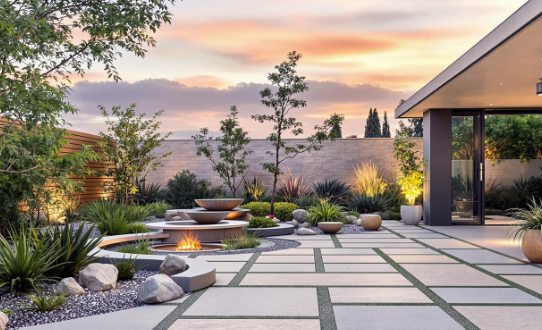
Creating a beautiful and functional backyard is an aspiration for many homeowners, and landscape architecture plays a crucial role in bringing that vision to life. From maximizing small spaces to enhancing outdoor aesthetics, a well-designed landscape can transform any backyard into a serene oasis or a vibrant gathering spot. This article explores essential elements of landscape architecture in backyards and how thoughtful design can enhance your outdoor experience.
Designing for Functionality
When planning a backyard, it is essential to consider the primary functions it will serve. Whether it’s a space for entertaining friends and family, a private retreat for relaxation, or even a productive garden, addressing these needs early in the design process is vital. For example, if hosting gatherings is a priority, incorporating features like seating areas, outdoor kitchens, or fire pits can significantly enhance the usability of the space. Additionally, pathways that provide easy access to key areas can improve flow and ensure that your backyard remains functional and inviting.
Choosing the Right Plants
Selecting plants that thrive in your climate and fit your desired aesthetic is crucial in landscape architecture. Native plants often require less maintenance and are better adapted to local conditions, making them a smart choice for both novice and experienced gardeners. Consider creating layers of plants by combining tall trees, medium shrubs, and colorful ground cover to add depth and visual interest. Additionally, using fragrant and flowering plants can engage more senses and cultivate a welcoming atmosphere. Always keep in mind seasonal changes, as incorporating plants that bloom at different times can ensure year-round beauty.
Incorporating Sustainable Practices
In today’s world, sustainable landscaping is more important than ever. Incorporating eco-friendly practices not only benefits the environment but can also reduce maintenance costs and improve the health of your backyard. For example, using permeable paving materials allows rainwater to soak into the ground, reducing runoff and helping with drainage. Rain barrels can collect water for irrigation, while native plants require less watering, making them perfect choices for a sustainable landscape. Additionally, composting yard waste can provide nutrient-rich material for your plants, fostering a more robust ecosystem.
As you consider transforming your backyard with the help of landscape architecture, remember that the options are plentiful and exciting. A well-planned space can cater to your lifestyle, reflect your personality, and promote sustainability. Whether you are looking to entertain, relax, or cultivate, the right design can elevate your outdoor experience. Take the next step towards your dream backyard—research local landscape architects, explore design ideas, and get inspired to create a space that truly resonates with you!