
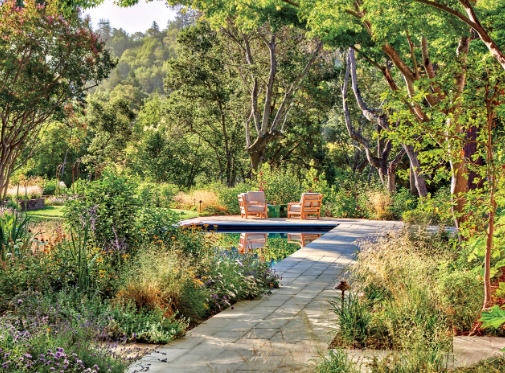
Landscape architecture and garden design are essential for creating beautiful, functional outdoor spaces that enhance our well-being and connect us to nature. As urban areas expand and green spaces become increasingly scarce, the role of skilled professionals in this field is more important than ever. This article explores key aspects of landscape architecture and garden design, providing insights into their significance and practical applications.
Understanding Landscape Architecture
Landscape architecture is an interdisciplinary field combining art, science, and technology to design outdoor spaces. It involves planning and creating environments that can range from public parks and urban plazas to private gardens and residential landscapes. The primary goal is to enhance the aesthetic appeal while ensuring functionality and sustainability. Professionals in this field consider factors such as plant selection, topography, soil health, and water management to craft spaces that are not only beautiful but also beneficial for the environment and community.
Sustainable Garden Design Principles
Sustainability is a fundamental aspect of modern landscape architecture. Sustainable garden design focuses on creating outdoor spaces that minimize environmental impact while maximizing enjoyment. Key principles include using native plants, which require less water and maintenance, and promoting biodiversity by creating habitats for local wildlife. Additionally, incorporating rain gardens or permeable surfaces helps manage stormwater effectively. By embracing these sustainable practices, landscape architects ensure that gardens not only thrive but also contribute positively to the surrounding ecosystem.
Creating Functional Outdoor Spaces
In landscape architecture, functionality is just as critical as aesthetics. Well-designed outdoor spaces should cater to the needs of their users while promoting social interactions. For instance, incorporating seating areas, pathways, and play zones in public parks encourages community engagement and recreational activities. Design elements such as shade trees and water features can enhance comfort and appeal. Furthermore, understanding how people interact with these spaces allows architects to design environments that foster connection and well-being in both private and public settings.
Conclusion
Landscape architecture and garden design play a vital role in shaping our outdoor environments, making them more beautiful and functional. By focusing on sustainability and functionality, these disciplines can transform any space into a welcoming haven. Whether you’re a homeowner looking to enhance your garden or a city planner aiming to create vibrant public spaces, considering these principles can lead to significant improvements in your surroundings. Explore further and take the next step towards designing your perfect outdoor retreat!