
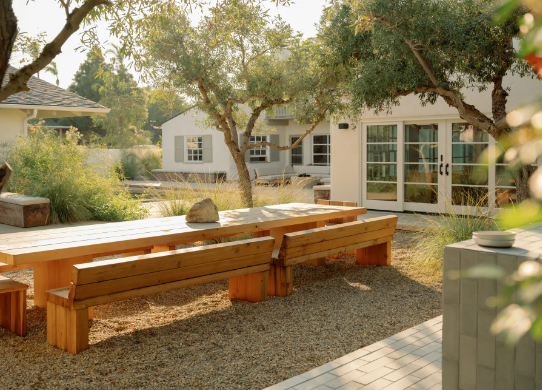
Landscape Planners: Shaping Our Outdoor Spaces
In a world where outdoor aesthetics directly impact our quality of life, the role of landscape planners has become increasingly vital. These professionals blend art and science to create functional and beautiful outdoor environments. Understanding their work can inspire homeowners, businesses, and communities to enhance their surroundings meaningfully.
The Importance of Landscape Planning
Landscape planning is about more than just planting flowers and arranging trees; it involves strategic thinking to create sustainable, visually appealing spaces. Landscape planners consider factors like climate, soil conditions, and local ecosystems when designing a space. This holistic approach ensures that outdoor environments not only look good but also thrive over time. Whether it’s for residential gardens or large public parks, the planning process incorporates ecological principles to promote biodiversity and environmental health, benefiting both people and wildlife.
Key Skills of a Landscape Planner
Successful landscape planners possess a unique blend of creativity and technical knowledge. They must have a keen eye for design, allowing them to create aesthetically pleasing layouts that align with clients’ visions. Equally important is their understanding of horticulture, environmental science, and civil engineering principles. This diverse skill set enables them to assess site conditions accurately, manage water resources, and integrate sustainable practices into their designs. Additionally, strong communication and project management skills are essential, as they work closely with clients, stakeholders, and contractors to bring projects to life.
Collaborating for a Better Future
Collaboration is at the heart of effective landscape planning. Landscape planners often work with architects, urban planners, and environmental specialists to ensure that projects meet both community and ecological needs. By fostering dialogue among various disciplines, they help create more cohesive and functional outdoor spaces. Public involvement is also crucial, as landscape planners organize community workshops to gather input and ideas. Engaging the community helps ensure that the final design reflects the values and priorities of those who will use the space.
In conclusion, landscape planners play an essential role in shaping our outdoor environments, combining creativity with sustainability. By understanding their skills and the collaborative nature of their work, we can appreciate the thought and planning that go into creating beautiful, functional landscapes. If you’re inspired to learn more about how landscape planning can transform your outdoor spaces, consider reaching out to a local professional today!