
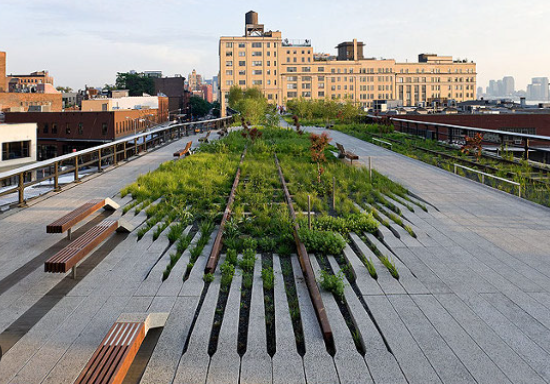
Modern landscape architects play a crucial role in shaping our outdoor spaces, making them not only functional but also aesthetically pleasing. With rising urbanization and changing environmental needs, these professionals combine art and science to create sustainable landscapes that enhance our quality of life. This article delves into the innovative approaches taken by contemporary landscape architects and how their work impacts our communities.
The Evolution of Landscape Architecture
The field of landscape architecture has evolved significantly over the years. Traditionally focused on gardens and parks, modern landscape architects now tackle urban planning, environmental restoration, and even climate resilience. This shift reflects a growing awareness of the importance of green spaces in urban environments. By designing multifunctional landscapes that serve recreational, ecological, and social purposes, these architects are transforming cities into healthier, more inviting places to live.
Sustainability as a Core Principle
Sustainability is at the heart of modern landscape architecture. Contemporary architects prioritize the use of native plants, rainwater harvesting, and natural materials to create eco-friendly designs. This not only helps in conserving local biodiversity but also reduces maintenance costs and water usage. Moreover, sustainable landscapes can mitigate urban heat islands and promote wildlife habitats, contributing positively to the environment. By incorporating these principles, modern landscape architects create spaces that are beautiful while respecting nature.
Community Engagement and Collaboration
Another hallmark of modern landscape architecture is its emphasis on community engagement. Landscape architects work closely with residents, local governments, and stakeholders to ensure their designs reflect the needs and desires of the community. This collaborative approach fosters a sense of ownership among community members and often leads to more successful projects. Engaging the local population in the design process can result in spaces that are not only functional but also cherished and maintained by those who use them.
In conclusion, modern landscape architects are instrumental in creating vibrant, sustainable outdoor spaces that cater to both human and ecological needs. Their innovative designs and community-centered approaches enhance our environment and improve our quality of life. If you’re curious about the beautiful transformations happening in your community or want to see how you can get involved, take a moment to explore the work of local landscape architects and discover the potential of your own outdoor spaces.