
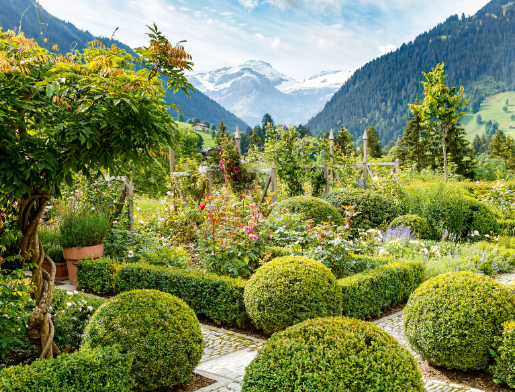
Planting Design in Landscape Architecture: Enhancing Spaces with Nature
In an increasingly urbanized world, the importance of planting design in landscape architecture cannot be overstated. This crucial aspect of design not only beautifies spaces but also contributes to environmental sustainability and enhances overall well-being. Understanding how to effectively incorporate plants into design projects is key for landscape architects and urban planners alike.
Creating a Cohesive Plant Palette
Selecting the right plants is essential for creating a harmonious landscape. When choosing a plant palette, it’s important to consider factors such as local climate, soil conditions, and the intended use of the space. Native plants are often a safe choice as they require less maintenance and provide essential habitats for local wildlife. Additionally, varying plant heights and textures can create visual interest and appeal, allowing for a more engaging environment. Employing a cohesive color scheme will further unify the design, facilitating a seamless transition between different areas of the landscape.
Consideration for Functionality
Planting design in landscape architecture is not solely about aesthetics; functionality plays a crucial role as well. Plants can serve multiple purposes, such as providing shade, reducing noise, and improving air quality. For example, strategically placed trees can mitigate heat in urban environments, while dense shrubbery can act as a sound barrier. It’s also vital to consider clients’ needs when designing functional landscapes. Whether it’s providing spaces for recreation or creating peaceful retreats, the right planting design can align nature’s beauty with human activities, enhancing the overall experience of a space.
Sustainability and Wildlife Support
In today’s ecological climate, sustainable planting designs are more relevant than ever. Landscape architects are increasingly focusing on eco-friendly practices that support biodiversity and minimize water consumption. Techniques such as xeriscaping, which uses drought-tolerant plants, can help reduce water usage significantly. Additionally, creating habitats that attract pollinators like bees and butterflies adds ecological value to landscapes. By prioritizing sustainability in planting design, landscape architects contribute to healthier environments, promoting both human and wildlife well-being.
Embrace Nature in Your Designs
As we explore the world of planting design in landscape architecture, it’s clear that incorporating nature into our environments has immense benefits. Whether you’re a landscape architect, an urban planner, or simply someone interested in enhancing outdoor spaces, understanding the principles of planting design is essential. Dive deeper into this fascinating field to discover more about how nature can transform and enrich our surroundings. Start your journey today and embrace the beauty of planting design!