
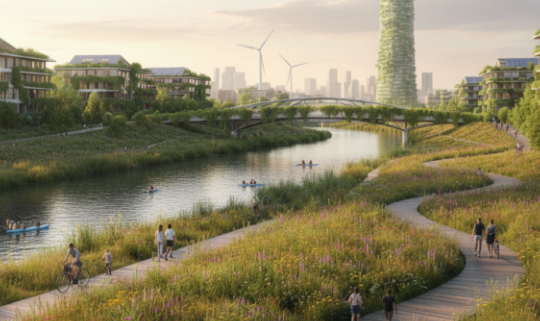
Landscapes play a crucial role in shaping urban environments and dictating the quality of life for their inhabitants. From parks and green roofs to urban forests, the natural elements within a city can have profound effects on social interactions, economic conditions, and overall well-being. It’s vital to understand the relationship between landscape design and city development.
1. Transforming Urban Spaces Through Greenery
The introduction of greenery in urban areas can transform dull landscapes into vibrant community spaces. Parks, gardens, and tree-lined streets not only enhance aesthetic appeal but also contribute to ecological balance. For example, New York City’s Central Park serves as a vital green lung for the city, offering recreational space, promoting biodiversity, and improving air quality, all while attracting millions of visitors each year.
Additionally, urban greenery can mitigate the urban heat island effect, making cities cooler during sleep-stifling summers. A study indicated that areas with more vegetation experienced lower temperature fluctuations, making them more comfortable for residents. Incorporating urban parks also emphasizes social cohesion, where communities can gather and cultivate relationships.
-
- Identify available space for parks or green areas.
-
- Engage community members in the planning process.
-
- Invest in long-term maintenance of green spaces.
-
- Incorporate native plants for sustainability.
-
- Consider features like walking paths and seating for accessibility.
2. The Role of Landscape Design in Urban Planning
Landscape design is not merely an aesthetic pursuit; it’s a critical component of urban planning strategies. Properly planned landscapes can bolster economic value by increasing property prices and attracting businesses. For instance, the waterfront revitalization project in Chicago not only beautified the shoreline but also catalyzed new developments, growing the local economy and establishing a thriving community hub.
Moreover, well-designed urban landscapes can improve transportation efficiency and reduce congestion. Cities like Amsterdam showcase how cycling routes integrated into scenic landscapes result in fewer cars, lower pollution, and better public health. When city planners prioritize landscape, they enhance functionality alongside beauty.
-
- Understand the needs and desires of community stakeholders.
-
- Utilize technology and simulations for effective planning.
-
- Integrate sustainable practices into landscape design.
-
- Assess the environmental impacts before major projects.
-
- Encourage collaboration among architects, city planners, and ecologists.
3. Enhancing Mental Health and Social Well-Being
A thoughtfully designed landscape can significantly influence the mental health and well-being of city dwellers. Natural environments have been linked to reduced stress levels, improved mood, and even increased cognitive function. Studies have shown that spending time in green spaces leads to measurable psychological benefits, such as reduced feelings of anxiety and depression.
Moreover, landscapes that foster social interaction can enhance community connectedness. For example, community gardens enable residents to interact, share resources, and cultivate friendships. Such collaborative efforts within green landscapes create not only beautiful settings but also supportive social networks that enrich urban life.
-
- Include community-driven projects, like gardens and art installations.
-
- Design landscapes that encourage walking and social exchanges.
-
- Create spaces for events or gatherings to foster community spirit.
-
- Promote accessibility to ensure everyone can enjoy these landscapes.
-
- Monitor the mental health benefits through surveys and feedback.
In conclusion, the power of landscape in shaping cities cannot be understated. Thoughtful inclusion of greenery and landscape design not only enhances aesthetics but also fosters social connectivity and well-being. To harness these benefits, consider consulting with professionals in urban planning or landscape architecture to envision the best outdoor spaces for your community.