
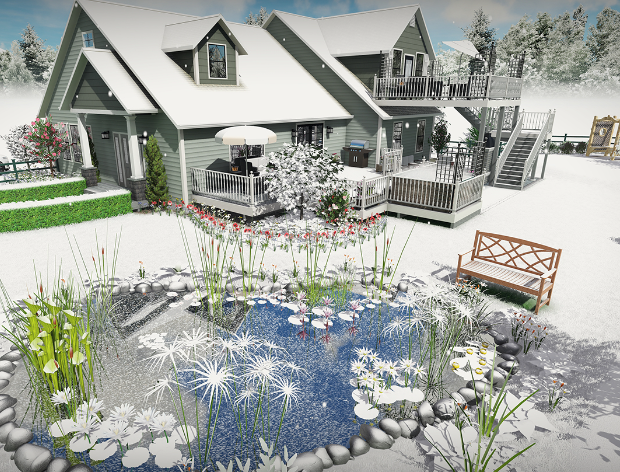
Real-time landscape architecture in 2022 is an exciting topic as it explores how technology and innovative design practices transform our outdoor spaces. As urbanization continues to rise, integrating real-time data and design has become essential for creating sustainable, functional, and aesthetically pleasing landscapes. Let’s delve into some key aspects of this evolving field.
Adapting to Real-time Data
Real-time landscape architecture leverages data to inform design decisions, allowing architects to respond dynamically to changing conditions. This approach often involves using sensors and geographic information systems (GIS) to monitor everything from soil moisture to air quality. By analyzing this data, landscape architects can customize designs to improve environmental performance and user experience. For example, parks can be designed to optimize water usage or enhance biodiversity based on real-time weather patterns, ensuring that landscapes are not only beautiful but also sustainable.
Collaboration in Design Processes
Collaboration is essential in real-time landscape architecture. In 2022, many firms are adopting collaborative design tools that facilitate communication among clients, architects, and other stakeholders. These platforms enable team members to share ideas, visualize projects in three dimensions, and receive immediate feedback during the design phase. By fostering a more transparent and inclusive design process, stakeholders can better understand how the final landscape will function, leading to designs that more accurately reflect the community’s needs and desires.
The Role of Green Technologies
Integrating green technologies into landscape design is at the forefront of real-time architecture. Innovations like green roofs, permeable pavements, and native plantings serve both ecological and aesthetic functions. In 2022, landscape architects are increasingly focusing on renewable materials and energy-efficient practices, which reduce the carbon footprint of their projects. These technologies not only enhance the visual appeal of a space but also make significant contributions to biodiversity and urban resilience. By prioritizing environmentally friendly solutions, landscape architects are paving the way for a greener future.
In conclusion, real-time landscape architecture in 2022 is reshaping how we interact with our outdoor spaces. By harnessing technology, fostering collaboration, and implementing green practices, the field is making strides toward creating sustainable environments that cater to the needs of communities. If you’re interested in learning more about this dynamic and vital area of design, consider exploring local projects or attending workshops to see how these principles are applied in practice.