
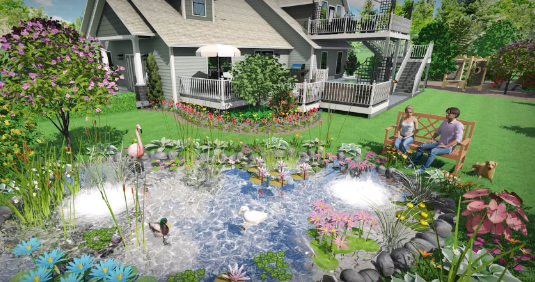
Real-Time Landscape Architecture: Shaping Our Environments in the Moment
As technology continues to evolve, so does the way we approach landscape architecture. Real-time landscape architecture integrates modern tools to enhance the design process and improve interactive environments. With climate change, urbanization, and a growing interest in sustainability, this innovative approach holds relevance for architects, urban planners, and communities alike.
Enhancing Design Through Technology
Real-time landscape architecture utilizes advanced software and technologies, such as 3D modeling, virtual reality, and even augmented reality, to create dynamic designs. These tools allow landscape architects to visualize projects instantly, providing stakeholders with immediate feedback and the ability to tweak designs on the spot. This interactive nature of design not only fosters collaboration with clients but also ensures that the final outcome meets both aesthetic and functional requirements. As a result, projects become more adaptive to environmental changes and client needs, making the design process more efficient and engaging.
Promoting Sustainable Practices
Incorporating real-time technology in landscape architecture also promotes sustainability. By using GIS (Geographic Information Systems) and environmental modeling tools, architects can assess various factors like soil health, water flow, and native plant species. This data-driven approach allows for more informed decisions that conserve resources and protect ecosystems. For instance, real-time simulations can showcase how landscapes will react over time to climate variations, helping planners design resilient spaces that can endure environmental stresses. By putting sustainability at the forefront, real-time landscape architecture contributes to healthier and more livable communities.
Community Engagement and Participation
One of the most impactful aspects of real-time landscape architecture is its ability to foster community engagement. By creating interactive platforms where locals can visualize proposed designs and express their opinions, landscape architects empower communities to take an active role in shaping their environments. Tools like virtual town halls or immersive walkthroughs make it easier for residents to visualize changes in their neighborhoods. This collaborative process encourages a sense of ownership and community pride, which can lead to better-maintained public spaces and improved social cohesion.
In conclusion, real-time landscape architecture is reshaping our interaction with the environment. By leveraging technology to enhance design, promote sustainability, and encourage community engagement, this innovative approach creates more functional, beautiful, and resilient landscapes. If you’re interested in learning more about how real-time landscape architecture is transforming spaces near you, consider exploring local projects or consulting with professionals in the field. Embrace the future of landscape architecture today!