
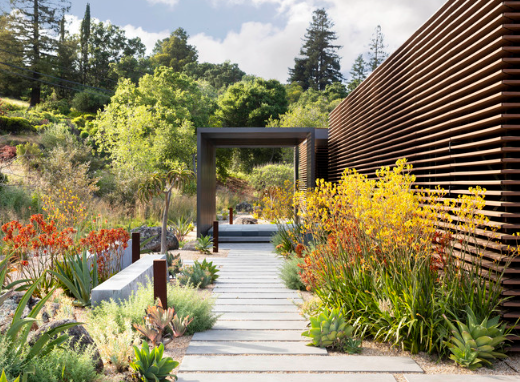
In today’s world, where urbanization often clashes with nature, the role of a resident landscape architect has become vital. These professionals not only enhance the aesthetic appeal of spaces but also promote sustainability and environmental stewardship. Understanding their contributions can help communities and property owners make informed decisions about landscaping and urban design.
The Role of a Resident Landscape Architect
A resident landscape architect is typically involved in projects from inception to completion, ensuring that every aspect of outdoor design aligns with both functionality and beauty. They assess the unique characteristics of a site—such as topography, climate, and native plants—to create landscapes that complement the environment. By collaborating with architects, engineers, and clients, these professionals ensure that outdoor spaces are both usable and visually engaging. Their expertise transforms barren lots into lush gardens, parks, and functional outdoor areas that benefit everyone.
Sustainability and Environmental Impact
One of the key responsibilities of a resident landscape architect is to promote sustainable practices in landscaping. These experts use native plants and sustainable materials, which reduce water usage and maintenance costs over time. Additionally, they often incorporate permeable surfaces and rain gardens to manage stormwater runoff, thus supporting the local ecosystem. By designing landscapes that prioritize biodiversity and enhance the natural habitat, resident landscape architects play a crucial role in combatting climate change and fostering resilience in urban environments.
Community Engagement and Education
Beyond design, resident landscape architects also serve as educators and community leaders. They often organize workshops, tours, or volunteer events that involve the community in landscape projects. This engagement helps people understand the importance of their outdoor spaces and nurtures a sense of stewardship. A resident landscape architect can help residents appreciate the cultural and ecological significance of their surroundings, fostering a deeper connection between the community and the environment. By encouraging involvement, they create landscapes that reflect the values and aspirations of the people who live there.
Conclusion
In a world increasingly focused on design and sustainability, the role of a resident landscape architect is more important than ever. Their expertise enhances community spaces, promotes environmental health, and fosters engagement among residents. For those looking to improve their outdoor environments, learning more about the benefits of hiring a landscape architect can lead to healthier, more beautiful spaces. Embrace the opportunity to connect with nature—whether through your garden, park, or urban landscape—by tapping into the skills of a resident landscape architect today!