
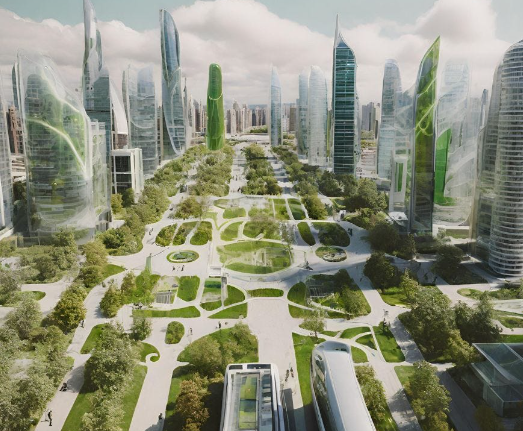
Urban landscapes play a crucial role in shaping cities, influencing everything from the quality of life to local economies. As cities evolve, the integration of thoughtful landscaping becomes essential in driving transformations that enhance both functionality and aesthetics.
1. Enhancing Urban Spaces for Community
One of the primary roles of landscape in city transformation is enhancing urban spaces to foster community engagement. Parks, gardens, and open public spaces not only provide green lungs for cities but also serve as vital gathering places. For instance, the High Line in New York City transformed an abandoned railway into a vibrant elevated park, attracting millions of visitors and rejuvenating nearby neighborhoods.
Effective landscaping can also promote social interactions by offering spaces for events, recreational activities, and more. Community initiatives that involve local residents in landscape design can create a sense of ownership and pride. Projects like the revitalization of Chicago’s Millennium Park highlight how successful landscaping can lead to increased foot traffic, economic development, and enhanced public health.
-
- Promote community involvement in landscaping projects.
-
- Design multipurpose parks for various activities.
-
- Incorporate native plants to enhance biodiversity.
-
- Ensure that spaces are accessible to everyone.
2. Addressing Urban Environmental Challenges
Landscaping plays a critical role in addressing some of the pressing environmental challenges faced by urban areas. Issues such as urban heat islands, stormwater runoff, and air pollution can be mitigated through thoughtful landscape design. Implementing green roofs and permeable pavements helps reduce heat absorption while improving stormwater management. Also, increasing tree cover can significantly improve air quality and enhance biodiversity.
For example, cities like Singapore are leading by example with their extensive tree planting initiatives and green building standards. The integration of trees and greenery into urban environments not only helps create cooler microclimates but also supports wildlife habitats, contributing to a healthier ecosystem. As cities continue to grow, sustainability must become a key focus in landscape architecture to ensure a resilient urban future.
-
- Investigate solutions for stormwater management through landscaping.
-
- Advocate for increased urban green spaces.
-
- Incorporate sustainability into landscaping design.
-
- Engage local governments in environmental initiatives.
3. Economic Growth Through Landscape Development
Landscaping holds significant potential for driving economic growth in urban areas. Well-designed public spaces can increase property values and attract business investments. Retail areas that feature attractive landscaping not only draw in foot traffic but also promote longer visits, ultimately boosting sales for local businesses. Cities like Portland have demonstrated how planting trees and creating vibrant streetscapes can enhance the shopping experience and encourage consumers to spend more.
Moreover, investment in landscape architecture can enhance tourism, as visible improvements in city aesthetics draw visitors. Festival gardens, public art installations, and cultural landscapes are examples of how cities can become attractive destinations. The return on investment from these projects often goes beyond financial benefits, enhancing the overall quality of life for residents.
-
- Leverage attractive green spaces to enhance commercial areas.
-
- Market local parks and public areas to attract tourists.
-
- Develop partnerships with local businesses for landscaping projects.
-
- Measure economic impact through foot traffic studies.
In conclusion, the role of landscaping in city transformation is multifaceted, influencing community engagement, environmental sustainability, and economic growth. By recognizing the importance of well-planned landscapes, urban planners and citizens alike can work together to create vibrant, resilient cities. Consider reaching out to local landscape professionals to discuss potential improvements in your area and contribute to a thriving urban future.