
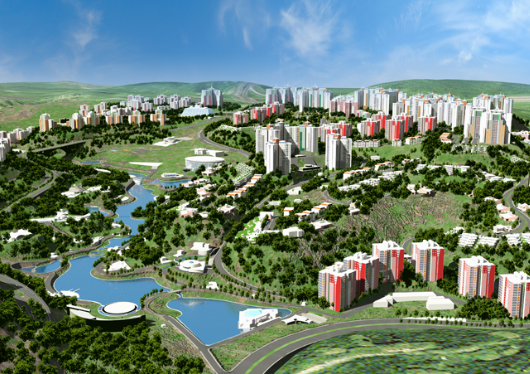
Urban landscapes play a crucial role in shaping the identity of cities. From parks and gardens to waterfronts and public squares, the way we design and interact with these spaces influences our sense of belonging and community. In this blog post, we will explore how landscape architecture affects urban identity, emphasizing its cultural, social, and ecological significance.
1. Cultural Reflection in Urban Spaces
First and foremost, landscapes often reflect the cultural values and historical narratives of a city. For example, in cities like Kyoto, Japan, traditional gardens embody centuries-old philosophies of harmony between nature and human habitation. These carefully curated environments do not merely serve aesthetic purposes; they represent cultural identities that resonate with both residents and visitors. Similarly, cities with rich histories, like Rome or Istanbul, showcase their past through architecture and urban planning, with parks and public spaces that narrate stories of bygone eras.
Moreover, the cultural identity of a landscape can be enhanced through artistic expression and community engagement. Cities often commission local artists to create murals or sculptures in public spaces, which not only beautifies the area but also makes it an expression of local art and identity. This helps foster a sense of pride and ownership among residents, encouraging them to interact with and protect their environment.
-
- Explore local historical sites and understand their significance.
-
- Visit public art installations and engage with the artists when possible.
-
- Participate in community events that celebrate cultural heritage.
-
- Consider ways to incorporate local flora into home gardens to reflect local character.
2. The Social Dynamics of Green Spaces
Green spaces are vital in promoting social interaction and community bonding. Parks, community gardens, and recreational areas serve as gathering places where people can socialize, exercise, and participate in communal activities. For example, Central Park in New York City is not just a green oasis among skyscrapers; it also hosts thousands of events and activities that attract people from diverse backgrounds. Such spaces provide opportunities for serendipitous encounters, fostering a sense of community and belonging.
Additionally, social dynamics within these landscapes can help reduce stress and improve mental health. Studies show that individuals who regularly spend time in nature report lower levels of anxiety and depression. Cities that prioritize green space accessibility create environments where residents can unwind and engage in restorative activities, enhancing their overall well-being. These social interactions and mental health benefits ultimately contribute to a stronger urban identity.
-
- Regularly visit local parks and participate in community events.
-
- Invite friends to join you for outdoor activities, like picnics or sports.
-
- Engage with local community groups focused on environmental improvements.
-
- Consider volunteering for local clean-up or beautification projects.
3. Ecological Sustainability and Urban Identity
Landscapes that incorporate sustainable practices contribute significantly to the identity of a city. Incorporating elements like green roofs, rain gardens, and permeable paving not only showcases a city’s commitment to sustainability but also enhances the environmental quality of urban areas. Cities such as Singapore have excelled in integrating nature into their urban environments, creating a lush, green identity that attracts tourists and enhances residents’ quality of life.
Moreover, ecologically sustainable landscapes provide practical benefits, such as improved air quality and reduced urban heat islands. Implementing trees and native plants can mitigate pollution and promote biodiversity, making urban environments more resilient to climate change. By prioritizing these elements, cities can create a unique identity that emphasizes ecological stewardship and community wellness.
-
- Support local initiatives aimed at increasing urban greenery.
-
- Install native plants in your garden, which require less maintenance and water.
-
- Advocate for policies that favor sustainable urban landscaping.
-
- Educate yourself and others about the benefits of biodiversity in urban areas.
In conclusion, the role of landscapes in urban identity is both multifaceted and essential. By understanding and engaging with the cultural, social, and ecological elements of our urban environments, we can contribute to stronger, more vibrant cities. Take the first step today by exploring your local spaces and considering how you can become a part of shaping your urban identity.