
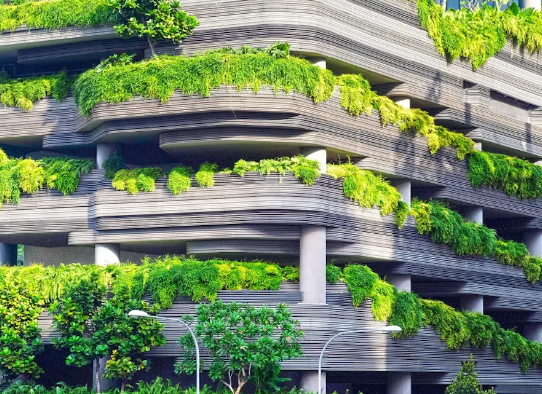
Sustainable architecture and landscape design are becoming essential in today’s world, as we face the urgent challenges of climate change and urbanization. By focusing on eco-friendly practices, we can create environments that not only serve our needs but also enhance the health of our planet. This article explores the key aspects of sustainable design and how they contribute to a better future.
Benefits of Sustainable Architecture
Sustainable architecture goes beyond aesthetics; it promotes efficiency and reduces the overall environmental footprint of buildings. By utilizing materials that are recycled, renewable, or locally sourced, architects can minimize waste and energy consumption. Implementing energy-efficient systems, such as solar panels and smart heating systems, not only conserves resources but also saves money on utility bills. These buildings often provide healthier indoor environments, boosting the well-being of those who inhabit them.
Innovative Landscape Design Techniques
Landscape design plays a crucial role in sustainability. Techniques such as xeriscaping, which involves using drought-resistant plants, can significantly reduce water usage. Additionally, incorporating native plants supports local wildlife and biodiversity, creating a thriving ecosystem. Green roofs and vertical gardens are innovative solutions that not only enhance urban aesthetics but also improve air quality and provide insulation, making buildings more energy-efficient. Thoughtful landscape design can transform urban areas into vibrant, eco-friendly spaces.
Community Engagement in Sustainable Practices
Involving communities in sustainable architecture and landscape design projects fosters a sense of ownership and responsibility. Engaging local residents in the planning process can lead to designs that reflect the community’s needs and cultural heritage. Workshops and public discussions encourage people to share their ideas and gain a deeper understanding of sustainability. Community gardens and green spaces not only beautify neighborhoods but also provide fresh produce and recreational areas, enhancing the quality of life for residents.
In conclusion, sustainable architecture and landscape design offer valuable solutions for creating resilient, eco-friendly environments. By integrating these practices into our communities, we can pave the way for a more sustainable future. If you’re interested in learning more about how you can contribute to these efforts, consider attending local workshops or exploring eco-friendly resources in your area. Your engagement can make a difference!