
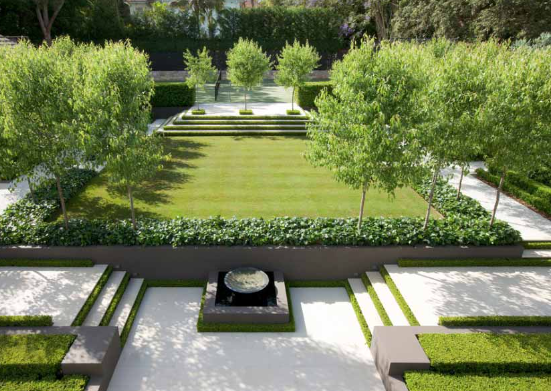
Sustainable Landscape Architecture: Designing for a Greener Future
In a world increasingly aware of environmental challenges, sustainable landscape architecture has emerged as a vital field. By integrating ecological principles into design, landscape architects can create spaces that are not only aesthetically pleasing but also environmentally responsible. This blog post explores key elements of sustainable landscape architecture and its importance in promoting a healthier planet.
Creating Resilient Ecosystems
Sustainable landscape architecture prioritizes the creation and maintenance of resilient ecosystems. This involves selecting native plants that are well-adapted to the local climate and soil conditions, which helps to conserve water and reduce maintenance costs. Additionally, these native plants provide vital habitat for local wildlife, contributing to biodiversity. By designing landscapes that mimic natural ecosystems, landscape architects can facilitate the flow of water and nutrients, ensuring that the environment remains balanced and productive.
Promoting Water Conservation
Water conservation is a critical aspect of sustainable landscape architecture. With climate change leading to variations in rainfall patterns, efficient water use is more important than ever. Techniques such as rain gardens, permeable paving, and xeriscaping help manage stormwater runoff and promote water infiltration. Implementing these strategies not only reduces the strain on local water systems but also helps prevent flooding and erosion. Moreover, landscape designers often use drought-resistant plants that require minimal irrigation, further enhancing water efficiency.
Enhancing Social Connectivity
Sustainable landscapes are not just about environmental benefits; they also enhance social connectivity. Thoughtfully designed public spaces can improve community well-being by providing areas for recreation, relaxation, and social interaction. Parks, gardens, and green corridors encourage people to engage with nature and each other, fostering a sense of community. By incorporating features such as walking paths, seating areas, and community gardens into their designs, landscape architects create inclusive spaces that cater to diverse populations and promote a healthier lifestyle.
Embracing the Future of Design
As we move forward, sustainable landscape architecture will play a crucial role in addressing global challenges such as climate change and urbanization. By embracing innovative practices that enhance ecosystems, conserve resources, and improve community well-being, landscape architects can lead the way in creating spaces that are both beautiful and sustainable. Whether you’re a designer, homeowner, or simply passionate about the environment, exploring sustainable practices can contribute to a greener future.
In conclusion, sustainable landscape architecture is not just a trend; it’s a necessary approach that balances aesthetics with environmental responsibility. If you’re interested in learning more about sustainable practices or how to implement them in your own space, consider reaching out to a local landscape architect or joining a community gardening group. Together, we can cultivate a more sustainable world.