
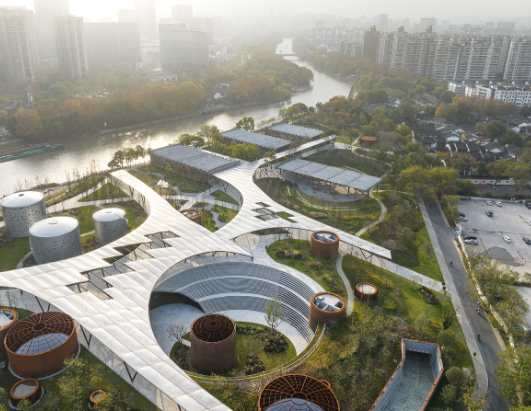
Urban regeneration is crucial to revitalizing cities and ensuring sustainable development. With the integration of innovative landscape design, we can transform neglected spaces into vibrant, functional areas that benefit communities.
1. The Role of Landscape in Urban Revitalization
Landscape design plays a pivotal role in urban regeneration. By strategically enhancing green spaces, designers help improve ecological balance and promote biodiversity. Cities like New York have successfully implemented projects like the High Line, a transformed elevated railway that has brought nature back into urban life, demonstrating how greenery can energize communities.
Moreover, thoughtful landscaping can improve the aesthetic appeal of an area, making it more attractive for residents and tourists alike. In cities with historical significance, such as Paris, restoring gardens and parks can honor the past while creating active public forums for social interaction. This dual focus on preservation and modernization encourages inclusivity and community engagement.
-
- Assess the current landscape and identify areas for improvement.
-
- Incorporate native plant species to enhance biodiversity.
-
- Balance natural beauty with functional spaces such as parks and recreational areas.
-
- Develop projects that promote social interaction and community engagement.
2. Designing Sustainable Green Spaces
Urban areas often suffer from the heat island effect, increased pollution, and reduced green cover. Addressing these issues through sustainable landscaping not only enhances comfort but also contributes to the overall health of the environment. Incorporating green roofs, for example, helps insulate buildings while providing recreational spaces for residents.
Community gardens represent another excellent opportunity for integrating sustainable green spaces into urban landscapes. They serve as productive areas where residents can grow their own food and connect with nature. Not only do these gardens improve the urban aesthetic, they also contribute to community well-being by fostering relationships among neighbors and promoting healthy eating habits.
-
- Choose plants that require less water and maintenance.
-
- Implement green roofs to reduce energy costs.
-
- Encourage the creation of community gardens to strengthen neighborhood ties.
-
- Utilize permeable materials for walkways and pavements to reduce water runoff.
3. Public Participation in Landscape Projects
Successful urban regeneration projects heavily rely on public engagement. Involving residents in the planning and design stages ensures that the outcomes meet the needs and desires of the community. Projects like the Cheonggyecheon Stream restoration in Seoul serve as a noteworthy example, where public input was critical in transforming a neglected highway into a vibrant public space.
Communities can contribute their insights through workshops, surveys, and participatory design sessions. This collaborative approach fosters a sense of ownership among residents, making them more likely to take care of the space. By valuing community input, cities can create landscapes that reflect local identities and enhance social cohesion.
-
- Host public workshops to gather feedback and ideas.
-
- Utilize online surveys for broader community input.
-
- Create visual proposals that illustrate potential designs for public review.
-
- Encourage local schools and organizations to participate in planning discussions.
Urban regeneration through landscape design is instrumental in creating sustainable and aesthetically pleasing environments. By fostering community involvement and adopting environmentally friendly practices, cities can enhance the quality of life for their residents. If you’re considering a project, consulting with a landscape architect can provide you with insight into the best practices tailored to your specific urban environment.