
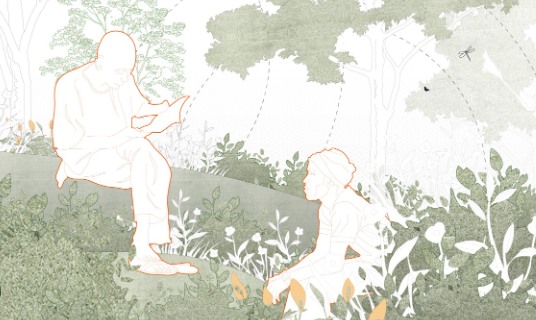
Design with nature is not just a trend; it’s a movement rooted in the principles of sustainability and holistic living. In today’s rapidly urbanizing world, integrating natural elements into design holds immense significance for our environment and well-being.
1. Enhancing Urban Spaces
As cities grow, the need for green spaces becomes increasingly critical. When urban areas incorporate parks, gardens, and green roofs, they contribute to enhanced air quality and lower temperatures. For example, New York City’s High Line transformed an abandoned railway into a thriving green space. This project not only provides a habitat for wildlife but also offers residents and tourists a space to connect with nature amidst concrete structures.
Integrating parks and greenery is vital for public health. Studies reveal that access to green spaces can significantly reduce stress, improve mental health, and encourage physical activity. Natural elements in urban design foster a sense of community, encouraging social interactions and promoting well-being. A well-landscaped area with walking paths, benches, and trees becomes a living space instead of just a transit hub.
-
- Incorporate green roofs and walls in urban buildings.
-
- Design parks with diverse vegetation that attract wildlife.
-
- Create walkable pathways that foster community interaction.
-
- Utilize permeable surfaces to enhance water management.
-
- Establish community gardens to encourage local involvement.
2. Promoting Sustainability
Designing with nature is often synonymous with sustainability. By using eco-friendly materials and energy-efficient systems, we can reduce our environmental footprint. For example, the use of bamboo in construction is gaining attention because it is not only renewable but also incredibly strong. Projects like the Edge in Amsterdam demonstrate how buildings can utilize natural light and ventilation for energy efficiency, making it one of the greenest buildings in the world.
Sustainability in design also means creating systems that harmonize with the environment. Water conservation can be achieved by instituting rain gardens and bioswales, which filter stormwater runoff naturally. Emphasizing the importance of sustainability in projects ensures that future generations inherit a healthier planet. Every design decision can include environmental considerations, from the choice of materials to the management of waste.
-
- Choose renewable materials for construction.
-
- Integrate energy-efficient systems in buildings.
-
- Incorporate native plant landscaping to reduce water use.
-
- Evaluate the lifecycle impact of all materials used.
-
- Design for adaptability and resilience to climate change.
3. Supporting Biodiversity
Designing with nature extends beyond simply aesthetic considerations; it plays a significant role in supporting biodiversity. By creating environments that are conducive to various species, we contribute to ecological balance. Greenscapes, for instance, can serve as corridors for wildlife movement in urban settings—allowing species to thrive even in human-dominated landscapes. Programs such as the Urban Wildlife Program help cities implement designs that attract and support diverse wildlife populations.
Moreover, community-led initiatives can have powerful impacts on local biodiversity. Involving residents in the care of green spaces promotes a sense of ownership and responsibility, leading to more sustainable stewardship. Educational programs can empower communities to create habitat-enhancing designs through simple actions like planting pollinator gardens or installing birdhouses. Every small effort helps in fostering a rich ecosystem.
-
- Advocate for pollinator-friendly landscaping in local areas.
-
- Install birdhouses and bat boxes in gardens.
-
- Create awareness about the importance of local wildlife.
-
- Encourage the use of native plants for landscaping projects.
-
- Organize community clean-ups to support local ecosystems.
In conclusion, designing with nature is more than an aesthetic choice; it is a crucial strategy for creating sustainable, healthy, and vibrant communities. By integrating these principles into our environment, we can significantly enhance urban living while supporting our planet’s wellbeing. Let’s make a commitment to consult with professionals and explore how we can incorporate nature into our everyday lives.