
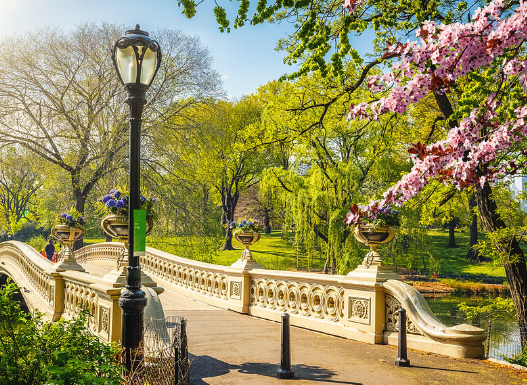
Frederick Law Olmsted is often hailed as the father of American landscape architecture, shaping urban parks and public spaces with a vision that emphasized natural beauty and social equity. His design philosophy was influenced by diverse fields including art, ecology, and societal needs, making his work both revolutionary and timeless. This blog post explores key aspects of Olmsted’s design philosophy and how they can inform modern landscape architecture.
1. The Integration of Nature and Landscape
At the core of Olmsted’s philosophy was the belief that landscapes should harmonize with the natural environment. He understood that a well-designed landscape not only enhances aesthetic appeal but also promotes mental well-being. For instance, his work on Central Park in New York City exemplifies how he utilized the natural topography to create views, pathways, and peaceful retreats within the urban fabric.
His designs often included a variety of plants and trees, selected for their seasonal beauty and ability to thrive in local conditions. Olmsted emphasized the importance of using native species to reduce maintenance and water usage, while also supporting local ecology. His nuanced understanding of natural systems has left a lasting impact on how landscapes are managed today.
-
- Consider the local ecosystem when selecting plants.
-
- Incorporate varied terrain to create visual interest.
-
- Use native species to enhance biodiversity.
-
- Design spaces that encourage exploration of nature.
2. Creating Spaces for Social Interaction
Olmsted viewed parks not only as spaces of beauty but as essential venues for public interaction and community well-being. He believed that accessible green spaces are vital for fostering social equity, allowing people from different backgrounds to connect and experience nature together. This philosophy was evident in his design of landscaping elements, such as open meadows and winding paths, which encourage leisurely activities and gatherings.
One notable example is the design of the Emerald Necklace in Boston, a network of parks designed to connect diverse neighborhoods. This project demonstrated how landscapes could promote health, recreation, and social cohesion. By thoughtfully placing benches, picnic areas, and play spaces, Olmsted created environments where community can thrive and relationships can blossom.
-
- Design open areas to facilitate social gatherings.
-
- Include seating and amenities to encourage relaxation.
-
- Plan for diverse recreational activities to attract all age groups.
-
- Incorporate walking paths that encourage casual encounters among visitors.
3. The Balance Between Design and Functionality
Olmsted’s approach skillfully marries beauty with purpose. He understood that landscapes needed to serve practical functions alongside visual appeal. His work demonstrates how well-planned parks can manage water runoff, reduce noise pollution, and provide habitats for wildlife. For instance, he creatively used engineered landscapes in his designs for parks that also functioned as flood control areas.
Moreover, his designs often included clear circulation patterns, allowing visitors to navigate large park areas easily. By thinking about how spaces will be used, Olmsted ensured that they met the needs of the community while also providing a pleasing visual experience. This balance continues to be a consideration among landscape architects today.
-
- Assess practical needs when designing landscapes.
-
- Incorporate functional elements like drainage systems.
-
- Prioritize user-friendly pathways and transitions.
-
- Consider maintenance requirements in your design.
Frederick Law Olmsted’s design philosophy provides a timeless lens through which we can view contemporary landscape architecture. By embracing nature, fostering community, and maintaining functionality, we create spaces that serve both beauty and purpose. Consider taking these principles into account on your next project or exploration of green spaces. Whether you’re a professional or just a nature lover, Olmsted’s philosophy has something valuable to offer.