
Frederick Law Olmsted, often regarded as the father of American landscape architecture, has had a profound influence on the field, shaping not only parks and public spaces but also the principles that guide modern landscape design. His innovative approaches to natural beauty, community interaction, and sustainability continue to inspire contemporary designers and urban planners today.
1. Olmsted’s Vision of Natural Spaces
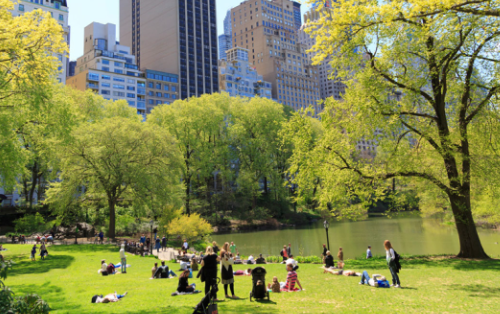
Olmsted believed in creating landscapes that enhance and preserve the natural environment. His design philosophy favored the integration of natural features into urban settings, aiming to provide citizens with tranquil spaces for relaxation and recreation. For instance, Central Park in New York City, designed in the 1850s, exemplifies his approach with its rolling hills, meandering paths, and diverse plant life, offering a stark contrast to the hustle and bustle of city life.
His vision extended beyond just aesthetic appeal; he understood the importance of natural landscapes in promoting public health and well-being. Parks designed in his style often include water features, open spaces, and scenic vistas that facilitate a sense of peace and community among visitors. His belief was that every person, regardless of their social standing, deserved access to nature’s beauty.
-
- Visit local parks to observe natural features and their impact on the environment.
-
- Engage in community discussions about improving public spaces.
-
- Consider how natural landscapes can enhance your living area.
-
- Explore nearby cities for examples of Olmsted’s work.
2. Community and Social Interaction
Olmsted’s designs were not only about beautiful landscapes; they were also carefully crafted to foster community interaction. He envisioned parks as places for all social classes to come together, breaking down barriers and promoting social equity. His work on parks like Prospect Park in Brooklyn showcased areas that encouraged gatherings, sports, and leisure activities, emphasizing the importance of communal spaces in urban areas.
These interactions create a sense of belonging and community identity, which is critical in today’s urban environments. Modern landscape architecture often reflects Olmsted’s focus on inclusivity, designing parks and green spaces that cater to diverse groups and activities. Contemporary designs now frequently include multi-use paths, playgrounds, community gardens, and event spaces, ensuring everyone can find a place for connection.
-
- Design urban spaces with a mix of activities to encourage inclusivity.
-
- Host community events in your local parks to strengthen neighborhood ties.
-
- Provide feedback to local planners about the types of spaces you’d like to see.
-
- Volunteer for community beautification projects in your area.
3. Sustainability and Environmental Awareness
Olmsted was a pioneer in advocating for sustainable practices within landscape architecture. His designs often incorporated native plants and sustainable practices that weren’t just pleasing to the eye but also beneficial to the local ecology. By focusing on climate-appropriate landscaping, he ensured that parks would not only thrive but also contribute positively to their surroundings.
In modern times, the conversation around sustainability has become even more critical due to climate change and environmental degradation. Using Olmsted’s foundational principles, contemporary landscape architects emphasize low-maintenance designs that require fewer resources, integrate eco-friendly materials, and support local wildlife. This approach not only preserves natural resources but also enhances the beauty and utility of public spaces.
-
- Research native plants for your area to promote local biodiversity.
-
- Incorporate sustainable materials and practices in landscape projects.
-
- Encourage local governments to adopt eco-friendly landscaping policies.
-
- Participate in local conservation efforts and environmental advocacy.
Frederick Law Olmsted’s influence on modern landscape architecture is undeniable, as his principles of natural beauty, community interaction, and sustainability continue to resonate today. By embracing these ideals, we can help shape thriving, accessible environments that are beneficial for both people and the planet. Consider exploring local parks and engaging in community planning to see how you can contribute to these values in your own neighborhood.