
Frederick Law Olmsted was a pioneer in landscape design, famous for creating the first American public parks. His vision not only transformed urban spaces but also laid the foundation for modern park planning. In this post, we’ll explore the key elements of Olmsted’s park system planning and how they continue to influence urban green spaces today.
1. The Concept of Park as a Democratic Space
Olmsted believed that parks should serve all members of society, offering a refuge from the stresses of urban life. He viewed parks as essential to public health and well-being, arguing that accessible green spaces could foster community connection. By integrating natural beauty into cities, he sought to create environments where social inequalities could be diminished.
For instance, Olmsted’s design of Central Park in New York City was revolutionary in its accessibility to people from all walks of life. This vast urban oasis encouraged a mix of activities— from leisurely walks to social gatherings, allowing different social groups to coexist in harmony. His vision paved the way for parks as places that promote social cohesion.
-
- Encourage diverse activities (sports, relaxation, etc.) in park planning.
-
- Design parks with easy access points for all urban residents.
-
- Create spaces that invite social interaction, such as picnic areas.
-
- Incorporate natural elements to enhance aesthetic value.
2. Integration of Natural Landscapes
One of Olmsted’s most significant contributions was his emphasis on integrating natural landscapes within urban settings. He believed that parks should reflect the natural topography, using the land’s inherent characteristics to shape their design. This approach not only elevated the aesthetic appeal of parks but also preserved local flora and fauna, fostering biodiversity.
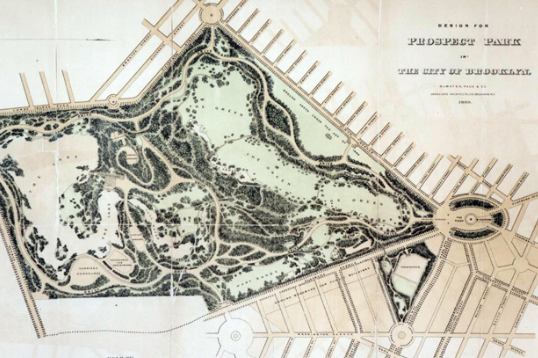
For example, in his design for Prospect Park in Brooklyn, Olmsted utilized the existing hills, valleys, and waterways to enhance the natural beauty of the area. This contrasted sharply with the rigid symmetry found in many urban parks of the time. By allowing the terrain to guide the design, he created a sense of place that felt organic and welcoming.
-
- Assess natural land features when planning a park.
-
- Utilize native plants to support local ecosystems.
-
- Design paths and trails that flow with the landscape’s contour.
-
- Encourage wildlife habitation by maintaining natural habitats within parks.
3. The Importance of Accessibility and Connectivity
Olmsted’s designs emphasize that accessibility is key to effective park system planning. He believed that roads, paths, and transit routes should connect parks with surrounding neighborhoods, making them easily reachable for everyone. By prioritizing connectivity, he aimed to increase park utilization and promote a healthier lifestyle among urban inhabitants.
This can be seen in Olmsted’s work on the Emerald Necklace in Boston, which consists of a series of parks connected by parkways. This innovative design not only facilitated easy access but also encouraged walking and cycling as viable modes of transport. His foresight in planning interconnected green spaces set a precedent for future urban planners focused on enhancing mobility.
-
- Incorporate bike paths and walking trails for easy access.
-
- Ensure public transport options are available near parks.
-
- Create scenic routes that encourage exploration of adjacent neighborhoods.
-
- Consider accessibility for individuals with disabilities in all designs.
4. The Role of Cultural and Recreational Spaces
Olmsted understood that parks should cater to a variety of recreational activities while also accommodating cultural events. He envisioned parks as multi-functional spaces where people could engage in physical activities, arts, and community gatherings. This multipurpose use not only enriches urban life but also strengthens community bonds.
In designing parks, Olmsted included features like concert areas, playgrounds, and sports facilities to support a range of activities. This approach helped to create vibrant social hubs that attracted people of all ages and backgrounds. His designs serve as a reminder that parks can be instrumental in building community identity and pride.
-
- Incorporate facilities for sports and outdoor activities.
-
- Designate areas for cultural events and performances.
-
- Include spaces for children to learn and play safely.
-
- Encourage local communities to take part in park programming.
Frederick Law Olmsted’s groundbreaking approach to park design deserves recognition for its lasting impact on urban landscapes. By emphasizing accessibility, natural integration, and community engagement, his vision has shaped the parks we enjoy today. As urban areas continue to evolve, take inspiration from Olmsted’s principles to advocate for greener, more inclusive spaces in your own communities.