
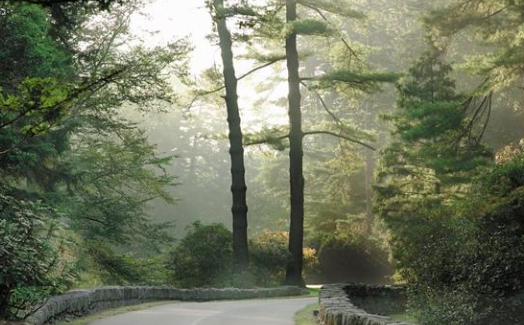
The landscape architecture of Frederick Law Olmsted profoundly shaped how we perceive and interact with natural spaces. His vision of naturalistic landscapes combines beauty, utility, and ecological sensitivity, setting a standard that still influences urban design today.
1. The Roots of Naturalistic Landscapes
Frederick Law Olmsted was not just an architect; he was a social reformer and an advocate for public parks, viewing them as essential social spaces. Influenced by the picturesque movement, Olmsted prioritized the natural beauty of landscapes, steering away from rigid designs of formal gardens that dominated his time. His creations were meant to blend with their surroundings, using native plants and undulating terrains to foster a sense of harmony between human activity and nature.
A quintessential example of his work is Central Park in New York City, a sprawling oasis that transforms the urban environment. Olmsted designed the park’s features to mimic natural landscapes, using curves and meandering paths to invite exploration. He believed that such spaces should provide residents with restorative experiences, something that resonates deeply in today’s discussions about urban green spaces and mental health.
-
- Explore different landscape styles that promote biodiversity.
-
- Consider native plants for sustainable garden designs.
-
- Incorporate organic shapes instead of straight lines in your layouts.
-
- Create pathways that invite discovery and connection to nature.
-
- Evaluate the ecological impact of your landscape choices.
2. Key Principles of Olmsted’s Design Philosophy
Olmsted emphasized a few key principles in his approach to landscape design: accessibility, aesthetics, and ecological balance. He believed that parks should be designed for public enjoyment and the well-being of all citizens, not just the elite. This commitment to accessibility has endured and continues to inform modern park design, ensuring that everyone can reap the benefits of nature.
His commitment to aesthetics involved a deep understanding of how people emotionally connect with their environment. For him, good design should invoke feelings of peace and contemplation, making visitors more aware of their surroundings. Today, city planners and landscape architects still reference his principles when developing parks and community gardens, striving to create spaces that engage and uplift residents.
-
- Involve community input in design processes for greater inclusivity.
-
- Focus on creating pathways that promote interaction with nature.
-
- Highlight natural features, such as ponds and hills, in your designs.
-
- Balance open spaces with areas for programming and activities.
-
- Design for year-round enjoyment with seasonal plant selections.
3. Olmsted’s Legacy and Modern Implications
The legacy of Olmsted extends beyond the parks he designed; it involves a holistic approach to landscape architecture that continues to influence contemporary practices. Modern urban spaces are increasingly incorporating Olmsted’s ideals, emphasizing green roofs, public gardens, and urban forests to mitigate environmental issues like urban heat islands. This trend acknowledges the need for sustainable urban development intertwined with natural landscapes.
Furthermore, the principles of naturalistic landscapes are being adapted to address current challenges, such as climate change and declining mental health among urban populations. For example, cities are recognizing that well-designed green spaces can enhance community resilience while improving residents’ quality of life. The lessons from Olmsted help us envision cities that thrive alongside nature, rather than in opposition to it.
-
- Consider landscapes that address climate change through resilience.
-
- Incorporate educational elements about local ecology in designs.
-
- Promote biodiversity by including a variety of plant species.
-
- Design for multi-use spaces that accommodate diverse activities.
-
- Evaluate long-term maintenance needs for sustainable landscapes.
In conclusion, Olmsted’s vision of naturalistic landscapes remains relevant as we navigate the complexities of modern urban life. By embracing his principles of harmony, accessibility, and ecological balance, we can create spaces that not only serve our needs but also protect and celebrate our environment. Take the first step by exploring local community initiatives or consulting with landscape professionals to bring these ideas to life in your community.