
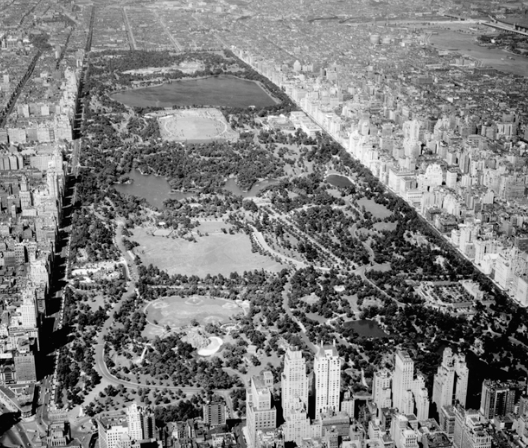
Frederick Law Olmsted, often deemed the father of American landscape architecture, has significantly influenced how urban spaces are designed and experienced. His visionary ideas crafted not just parks, but also the fundamental layout of cities, embedding nature into the urban landscape.
1. The Birth of Public Parks
Olmsted’s most notable projects, such as New York City’s Central Park, have become prototypes for public parks across the country. His designs aimed to create serene havens in bustling urban environments, focused on promoting public health and community interaction. Through strategies like naturalistic landscaping and meandering paths, he transformed waste land into recreational areas that were accessible to all.
Moreover, Olmsted believed parks should be democratic spaces utilizable by everyone, regardless of social status. His work challenged the idea that nature was a luxury reserved for the wealthy. Central Park attracted diverse visitors through its expansive design and inclusive atmosphere, setting the stage for future parks nationwide.
-
- Visit your local parks to see how they embody Olmsted’s principles.
-
- Explore park design concepts to understand their historical significance.
-
- Engage in community discussions about park development in your area.
-
- Advocate for the preservation of green spaces in urban planning.
2. Principles of Landscape Architecture
Olmsted’s philosophy on landscape architecture revolved around a few key principles: the integration of natural beauty, user accessibility, and a design that fosters social interaction. These principles encouraged designers to consider how people move through and experience various landscapes, particularly in urban settings. With projects like Prospect Park in Brooklyn, he showcased how landscapes should facilitate both relaxation and recreation.
Another cornerstone of Olmsted’s work was his attention to harmony between architecture and landscape. In the design of the Biltmore Estate in Asheville, North Carolina, he artfully combined natural elements with manmade structures, exemplifying his belief that architecture should complement rather than dominate its surroundings. This approach to planning deserves attention as cities continue to grow and change.
-
- Research Olmsted’s principles and assess their relevance today.
-
- Incorporate natural elements into your own outdoor spaces.
-
- Collaborate with local architects to promote harmonious designs.
-
- Participate in workshops focusing on sustainable urban development.
3. Urban Equity and Accessibility
Olmsted adopted a keen awareness of social dynamics, seeing parks as spaces that could heal societal divides. His advocacy for equitable access to these green spaces set the groundwork for discussions on urban justice in landscape architecture. In a time when cities were rapidly industrializing, his park designs provided residents with an essential escape from urban ills, promoting mental health and well-being.
Furthermore, Olmsted argued that parks should be strategically placed within all communities, especially in underserved areas. This belief contributed to the concept of “urban equity,” which prioritizes the need for accessible recreational spaces as a public right rather than a privilege. His philosophy encourages inclusive policies in contemporary urban planning issues.
-
- Support community initiatives focused on park access for all.
-
- Promote awareness on the mental health benefits of natural spaces.
-
- Discuss urban equity within your local government meetings.
-
- Volunteer with organizations that aim to create inclusive green spaces.
In closing, Olmsted’s impact on American cities extends well beyond his physical designs. His visionary insights on nature’s role in urban life continue to influence landscape architecture, advocating for spaces that nurture community and connection. As we think about our urban environments, let us remember the lessons learned from Olmsted and strive to create functional, equitable, and beautiful spaces for all.