
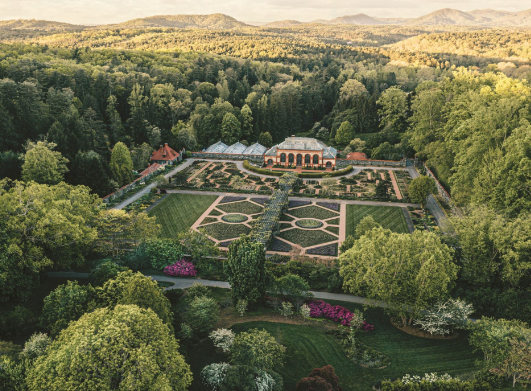
Social reform through landscape design has been a crucial aspect of urban development, particularly championed by figures like Frederick Law Olmsted. His vision blended aesthetics with practicality, making landscapes not just beautiful, but also functional and socially enriching.
1. The Vision of Frederick Law Olmsted
Frederick Law Olmsted, often considered the father of American landscape architecture, had a profound understanding of how natural spaces can affect society. He believed that public parks and green spaces were essential for the health and moral development of urban dwellers. By designing parks such as Central Park in New York City, Olmsted created accessible spaces for all social classes, promoting unity and community engagement.
Olmsted’s designs went beyond mere aesthetics; they were intended to promote social reform. His work sought to alleviate the crowded and unhealthy living conditions of urban populations in the late 19th century. Parks facilitated not just leisure but also opportunities for education, social interaction, and improved physical health.
-
- Research Olmsted’s designs to understand how they incorporate social reform.
-
- Visit local parks to see how they cater to diverse communities.
-
- Engage in community discussions about the importance of green spaces.
-
- Consider the layout and accessibility of parks in your neighborhood.
2. The Role of Parks in Urban Reform
Parks have always served as crucial lungs for cities, providing a necessary escape from the concrete and steel of urban environments. By establishing places where people can connect with nature, Olmsted transformed cities into more humane spaces. These environments were designed to host everything from quiet contemplation to lively social gatherings, thus fostering a sense of community.
Communal spaces enhance social cohesion by breaking down barriers that often exist due to socioeconomic differences. Olmsted understood that providing a shared space would lead to positive interactions among various groups, which is essential in diverse urban settings. His parks offered citizens a common ground where they could enjoy communal activities, bridging gaps across different social strata.
-
- Participate in local park clean-up efforts to foster community spirit.
-
- Organize events in public parks to encourage community interaction.
-
- Advocate for more green spaces in urban planning projects.
-
- Encourage schools to incorporate park visits into their curriculums.
3. Modern Applications of Olmsted’s Principles
The principles established by Olmsted continue to influence modern landscape design and urban planning. Today, many cities are recognizing the need for green infrastructure that not only beautifies but also benefits the environment. Concepts like sustainable design and incorporation of flora and fauna are at the forefront of contemporary projects.
Current applications of Olmsted’s approach can be seen in urban revitalization projects that prioritize green roofs, functional parks, and community gardens. These designs not only improve air quality but also promote biodiversity and provide a gathering space for residents. By integrating these green elements back into the urban fabric, cities can become healthier and more equitable.
-
- Research ways in which modern cities have implemented green spaces.
-
- Engage your local government in discussions about urban green initiatives.
-
- Support community gardens and urban agriculture projects.
-
- Advocate for the inclusion of native plants in public spaces.
In conclusion, Frederick Law Olmsted’s visionary approach to landscape design remains influential today. By understanding and applying his principles, contemporary urban planners and citizens alike can work towards creating environments that foster community, health, and well-being. Consider consulting with landscape professionals or joining local advocacy groups to contribute to social reform through the enhancement of public spaces in your community.