
The legacy of Frederick Law Olmsted, often hailed as the father of American landscape architecture, continues to shape our public park systems today. His visionary designs and philosophies have left an indelible mark on urban planning, offering people a chance to connect with nature and each other in meaningful ways.
1. The Birth of the Urban Park Movement
Frederick Law Olmsted was instrumental in the development of the urban park movement in the United States. In the mid-19th century, cities were rapidly industrializing, and public health concerns regarding pollution and overcrowding began to arise. Olmsted’s designs for parks, such as Central Park in New York City, introduced the idea that green spaces were vital for societal health and enhanced the quality of life in urban areas. His innovative approach included the use of naturalistic landscapes that would provide a scenic escape from bustling city life.
Olmsted visualized parks as democratic spaces where people from various backgrounds could come together, fostering a sense of community. This concept was revolutionary during his time, effectively laying the groundwork for the park systems we cherish today. The idea of balancing urbanization with natural beauty inspired countless cities across America to prioritize green spaces.
-
- Explore local parks designed by Olmsted or his firm.
-
- Learn about the historical context in which Olmsted was working.
-
- Recognize the significance of urban green spaces in mental health.
-
- Consider how modern developments can incorporate natural elements.
2. Innovative Landscape Design Principles
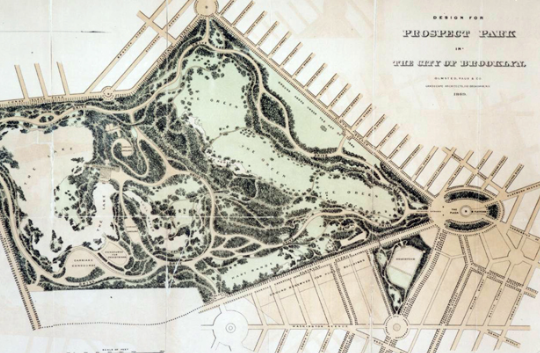
One of Olmsted’s most significant contributions to landscape architecture was his unique design principles that emphasized natural beauty and sustainability. He believed in designing parks that mimicked the natural landscape, using curves and layering to create seamless transitions between different areas. For instance, in designs like Prospect Park in Brooklyn, he used hills, valleys, and water bodies to create a diversified experience for park-goers.
Another essential principle was the importance of sightlines and views. Olmsted featured strategic viewpoints to enhance the experience of visitors as they moved through the spaces. These landscape techniques serve as guidelines even today, influencing countless urban planners and landscape architects striving to create engaging and sustainable public spaces.
-
- Study Olmsted’s principles in your local parks to spot features.
-
- Apply his ideas when designing personal spaces or gardens.
-
- Incorporate natural elements into urban design to ensure sustainability.
-
- Promote community involvement in park design discussions.
3. Legacy and Modern-Day Relevance
Olmsted’s lasting influence is evident in the numerous public parks that embody his principles. These spaces not only serve as recreational areas but also act as environmental sanctuaries in urban environments. Parks like the Emerald Necklace in Boston are prime examples of his work that still resonate with today’s urban designers, emphasizing connectivity between nature and community well-being.
Furthermore, in recent years, there has been a practical resurgence of Olmsted’s ideas as cities return to valuing green infrastructure. From green roofs to urban forests, many developments are mimicking his designs. This trend reflects both a growing awareness of environmental sustainability and a desire for public spaces that enhance social interactions and community health.
-
- Participate in local advocacy for park maintenance and enhancements.
-
- Support initiatives that aim to increase green space in urban areas.
-
- Engage with local planning committees to voice park improvement suggestions.
-
- Explore community events in nearby parks to connect with others.
In conclusion, Frederick Law Olmsted’s vision for public parks has profoundly shaped our urban landscapes and continues to inspire modern design. By recognizing his influence, we can foster appreciation for our green spaces and advocate for their preservation and enhancement. Take the next step by visiting a local park and experiencing the community connection they foster for yourself.