
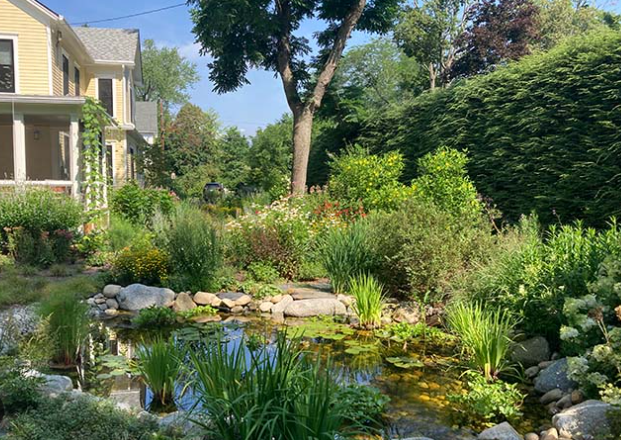
The relationship between ecological theory and built landscapes showcases the intricate dynamics between nature and human-made environments. This concept emphasizes how ecological principles can guide urban planning and landscape design, promoting sustainability and harmony. Let’s explore how these theories translate into tangible practices in our built environments.
1. Understanding Ecological Theory
Ecological theory encompasses various principles that explain how organisms interact with their environments. In landscape architecture, these theories serve as the foundation for creating spaces that promote biodiversity. For instance, the concept of ecological succession illustrates how areas can develop and evolve over time, influencing how green spaces can be designed to enhance native species and overall ecological health.
Utilizing these theories in the built environment can lead to sustainable urban ecosystems. For example, implementing principles like interconnectivity encourages the design of green corridors that allow for wildlife movement. In turn, this can enhance the urban canopy, improve air quality, and create beautiful public spaces that residents can enjoy.
-
- Familiarize yourself with the basics of ecological succession.
-
- Incorporate native plants into landscape designs.
-
- Design green corridors to enhance wildlife habitats.
-
- Consider water management in soil and plant selections.
2. Integrating Nature in Urban Design
As cities expand, integrating natural elements into urban design has become increasingly essential. Urban green spaces, rooftop gardens, and vertical gardens not only enhance aesthetic appeal but also promote biodiversity. By creating such spaces, cities can mitigate the heat island effect and improve residents’ well-being, providing a counterbalance to the concrete jungle.
Designers have focused on urban park development as a solution to urban heat and flooding. Spaces modeled after natural habitats can enable deeper ecological interactions and offer recreational facilities that engage communities. Parks that mirror native ecosystems also provide educational opportunities, teaching residents about their local flora and fauna.
-
- Plan for mixed-use spaces that prioritize green infrastructure.
-
- Incorporate water features to enhance biodiversity and recreation.
-
- Encourage community engagement in the design process.
-
- Use permeable materials to enhance soil health and natural drainage.
3. The Role of Technology in Sustainable Landscapes
Technology is revolutionizing how we plan and maintain sustainable landscapes. From GIS mapping to drone technology, professionals can analyze ecological data effectively and implement changes efficiently. This technological integration aids in zoning, designing, and maintaining urban green spaces while ensuring they meet ecological needs and public desires.
Moreover, incorporating smart technology, such as automated irrigation systems and environmental monitoring tools, enhances landscape sustainability. Through data-driven insights, cities can gauge plant health, monitor water usage, and adjust maintenance schedules accordingly. This approach not only conserves resources but also supports the longevity of green spaces.
-
- Utilize GIS mapping tools for effective land use planning.
-
- Implement smart irrigation systems to optimize water usage.
-
- Monitore environmental conditions with sensor technologies.
-
- Encourage community use of apps to report flora and fauna health.
Embracing ecological theory in urban planning creates a unique opportunity to foster sustainable living and enhanced community interaction. By integrating these principles into built landscapes, we move toward a greener and healthier future. Start implementing these concepts in your projects, or consult with a professional to explore how to make lasting changes in your community.