
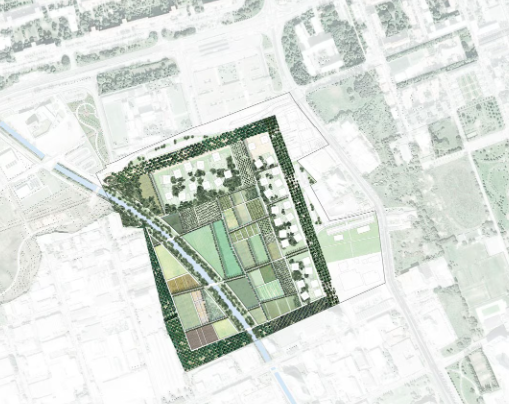
Michel Desvigne is a French landscape designer known for his unique approach to creating harmonious outdoor spaces that blend seamlessly into their surroundings. His design philosophy emphasizes the relationship between nature, architecture, and human experience. This blog post will explore the core tenets of Desvigne’s design philosophy and how they can inspire you to foster a greater connection with the outdoors.
1. Interplay of Nature and Urban Spaces
One of the most compelling aspects of Michel Desvigne’s design philosophy is the emphasis on the interplay between natural and urban landscapes. He believes that urban areas can coexist with nature without sacrificing either. For instance, his work on the reimagining of the waterfront in Bordeaux, France, effectively integrates the river into the urban fabric, allowing for both recreational and ecological benefits.
This holistic approach is evident in his use of native plants, sustainable materials, and smart spatial planning. By opting for greenery that is both aesthetically pleasing and ecologically viable, Desvigne aims to create living environments that not only look beautiful but also support local biodiversity.
-
- Research native plants for your area.
-
- Consider water features that enhance the ecosystem.
-
- Incorporate textured materials that blend into the landscape.
-
- Plan spaces that encourage social interaction.
2. The Importance of Human Experience
Desvigne prioritizes human experience in his landscape designs, which fosters a sense of community and belonging. His projects often feature public parks and plazas that serve as communal hubs, where people can gather and connect. For example, his design for the Parc André-Citroën in Paris emphasizes open spaces and recreational areas that invite public participation.
Understanding how individuals interact with spaces is central to his approach. He designs not just for aesthetic appeal but to create an emotional landscape where each visitor feels comfortable and engaged. Incorporating varied landscapes, seating arrangements, and pathways can enhance this experience significantly.
-
- Design walking paths that encourage exploration.
-
- Include seating areas for relaxation and conversation.
-
- Create interactive installations or play areas.
-
- Utilize variations in elevation to add visual interest.
3. Sustainable Practices and Materials
Sustainability lies at the core of Michel Desvigne’s design philosophy. He advocates for using materials that are both eco-friendly and durable. By focusing on local resources and minimizing waste, his designs not only reduce the carbon footprint but also resonate with the community’s culture. Projects like the landscape for the Cité de l’Océan in Biarritz highlight these principles through the thoughtful selection of materials and water management systems that benefit the environment.
Additionally, sustainable practices in landscape design can significantly boost the lifespan and functionality of outdoor spaces. Desvigne often utilizes permeable paving, rain gardens, and habitat-friendly plantings to enhance not only the design’s ecological integrity but also its aesthetic appeal.
-
- Research eco-friendly materials for outdoor use.
-
- Implement rainwater harvesting systems.
-
- Incorporate features that promote wildlife conservation.
-
- Use energy-efficient lighting for nighttime visibility.
In conclusion, Michel Desvigne’s design philosophy offers valuable insights for those looking to enhance their outdoor spaces. By incorporating the interplay of nature and urban spaces, prioritizing human experience, and employing sustainable practices, you can create environments that celebrate both beauty and functionality. Start your journey by exploring local resources and considering how these principles can reshape your surroundings.