
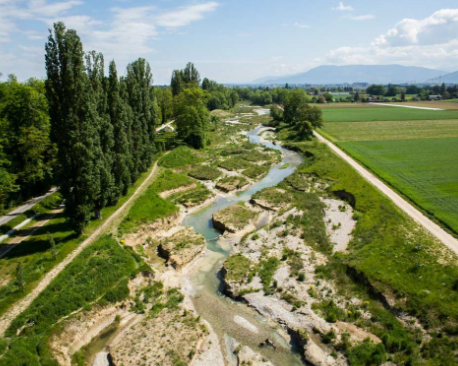
Georges Descombes is a celebrated landscape architect whose work emphasizes a deep connection between nature and urban spaces. His design philosophy focuses on sustainable practices while integrating functionality and aesthetic beauty. Understanding his principles can inspire future generations to cultivate a harmonious relationship with the environment.
1. Emphasis on Sustainability
Descombes believes that sustainability should be the backbone of landscape design. This philosophy is evident in his projects where he incorporates native plants, minimizing water usage and maintenance requirements. For example, in his design for the Parc de la Brillaz, he selected flora that not only thrives in the local climate but also enhances biodiversity.
His projects often aim to restore or preserve natural ecosystems, emphasizing the importance of layering vegetation to create microclimates that benefit wildlife. By allowing natural systems to dictate design choices, Descombes creates spaces that are both beautiful and eco-friendly, ultimately fostering resilience in urban environments.
-
- Prioritize native plant selection in your designs.
-
- Implement rain gardens to manage stormwater sustainably.
-
- Use permeable materials for walkways and parking areas.
-
- Avoid pesticides and herbicides to promote biodiversity.
-
- Consider local climate conditions in all planting choices.
2. Human-Centric Design
Another key facet of Descombes’s philosophy is putting people at the center of landscape design. He believes public spaces should be inviting, accessible, and tailored to the needs of the community. His work often includes seating areas, walking paths, and green spaces where people can gather and enjoy the outdoors.
The ‘human scale’ is critical in his designs; pathways are often wide enough to accommodate both pedestrians and cyclists while creating safe zones for children to play. By conducting outreach and listening to community feedback, Descombes strives to create environments that resonate with local populations, ensuring that the spaces he creates are utilized and cherished.
-
- Engage the community early in the design process.
-
- Design multi-use spaces to accommodate diverse activities.
-
- Incorporate comfortable seating and gathering spots.
-
- Ensure pathways are accessible for all abilities.
-
- Focus on lighting and visibility for safety and comfort.
3. Integration of Art and Functionality
Descombes is widely recognized for his ability to blend artistry with practical design. He sees landscape architecture as a form of art that can elevate public spaces and influence mood and behavior. His installations often include sculptures, murals, or other artistic expressions that engage and inspire passersby.
By merging creativity with functionality, Descombes enhances the overall experience of a space. For instance, in his work at the Commune de Prilly, he used artful landforms to create a visually appealing landscape while providing practical drainage solutions. This thoughtful approach ensures that his designs serve multiple purposes without compromising on visual appeal.
-
- Incorporate local artists in the design process.
-
- Use art installations to tell a community’s story.
-
- Design with dual purposes in mind: aesthetics and functionality.
-
- Choose materials that enhance artistic expression and durability.
-
- Experiment with colors and textures for visual interest.
In summary, Georges Descombes’s design philosophy presents a roadmap toward creating sustainable, human-centric, and artistic landscapes. By embracing these insights, readers can contribute to a richer, more balanced relationship with the environment. Consider consulting with a landscape architect or exploring local initiatives to incorporate these principles into your own spaces.