
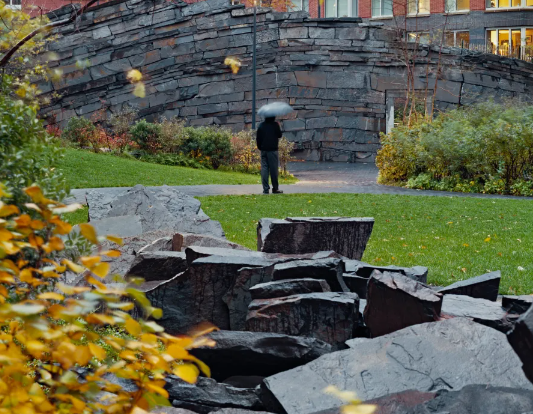
Michael Van Valkenburgh’s design philosophy embodies a deep respect for the landscape and a commitment to sustainable design practices. His work harmonizes natural elements with human needs, creating spaces that are both functional and aesthetically pleasing. This blog post delves into key aspects of his philosophy that can inspire both professionals and landscape enthusiasts alike.
1. Connection to Nature
One of the core tenets of Van Valkenburgh’s philosophy is the intimate connection between the built environment and the natural world. He emphasizes that landscapes should not only be visually attractive but also ecologically integrated. For instance, his designs often incorporate native plants to promote local biodiversity and reduce maintenance costs. This thoughtful selection fosters a sense of place and encourages wildlife to thrive, creating a vibrant outdoor ecosystem.
Van Valkenburgh also believes in understanding the historical context of a site before design begins. Each project starts with a deep dive into the region’s landscape history, climate, and geological characteristics. This ensures that his designs are not just contemporary artifacts but resonate with the enduring natural world surrounding them.
-
- Research the ecological history of an area.
-
- Select native plants that are easy to maintain.
-
- Incorporate natural elements like water features or stones.
-
- Engage local experts to understand the environment.
-
- Prioritize ecological health as a primary design consideration.
2. Social Responsibility and Community Engagement
Van Valkenburgh’s approach to design is deeply rooted in social responsibility. He advocates for public spaces that engage the community and encourage social interaction. His projects are not merely private retreats; they are designed to be accessible and functional for everyone. An example of this is the Brooklyn Bridge Park, where he integrated recreational spaces and natural habitats, fostering community interactions while providing respite from urban density.
His belief in community engagement extends to involving local stakeholders in the design process. By collaborating with residents and understanding their needs, Van Valkenburgh creates spaces that truly reflect the community’s desires. This participatory approach not only enhances satisfaction but also fosters a sense of ownership among those who use the space.
-
- Host community workshops to gather feedback.
-
- Incorporate features that cater to diverse ages and interests.
-
- Design flexible spaces for different activities, from concerts to picnics.
-
- Utilize local artists and artisans for community-centered aesthetics.
-
- Establish ongoing organizations to maintain and care for sites.
3. Sustainability and Resilience
Sustainability is at the heart of Van Valkenburgh’s designs, where he implements solutions that tackle environmental challenges head-on. He prioritizes the use of materials that are sustainable, durable, and locally sourced, reducing the carbon footprint of his projects. For example, in various urban parks he has integrated permeable paving systems to manage stormwater, allowing rain to filter back into the earth rather than overwhelming city drainage systems.
Moreover, resilience is vital—Van Valkenburgh designs landscapes that can adjust and adapt to changing environmental conditions. This includes using drought-resistant plants for arid regions or creating spaces that can withstand flooding. His emphasis on resilience prepares communities to face the effects of climate change, ensuring that landscapes remain functional and inviting regardless of environmental shifts.
-
- Choose sustainable materials and construction methods.
-
- Design landscapes with stormwater management in mind.
-
- Include adaptable features that can evolve with climate changes.
-
- Promote biodiversity through varied planting strategies.
-
- Regularly assess the landscape’s performance and adjust as necessary.
In summary, Michael Van Valkenburgh’s design philosophy intertwines connection to nature, social responsibility, and sustainability, creating landscapes that enrich both the environment and community life. Implementing these principles can serve to enhance your projects or personal outdoor spaces, making them more sustainable and engaging. Consider reaching out to professionals to explore how you can apply these best practices in your landscape endeavors.