
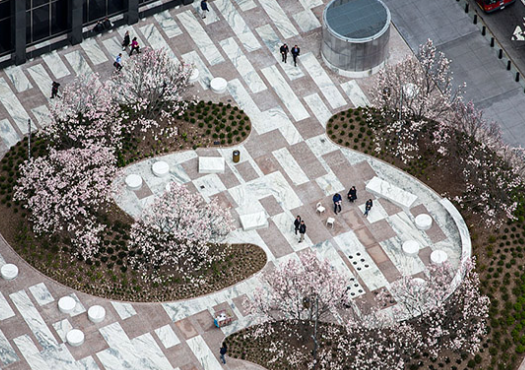
Michael Van Valkenburgh Associates (MVVA) is an influential landscape architecture firm that has reshaped public spaces across the globe. With a focus on the harmonious interplay between nature and human use, their projects often serve as both functional landscapes and artistic expressions.
1. Innovative Design Philosophy
MVVA’s design philosophy revolves around creating spaces that not only serve aesthetic purposes but also foster community engagement. They employ a deep understanding of the site’s natural ecosystem to develop landscapes that are both resilient and vibrant. For example, the Brooklyn Bridge Park in New York City exemplifies this approach, featuring native plantings that enhance local biodiversity while providing recreational spaces for visitors.
The firm emphasizes sustainability through its use of materials and the integration of green infrastructure. Their projects often include features such as rain gardens and permeable pavements, which mitigate stormwater runoff while enhancing the overall landscape aesthetics. This commitment to sustainability ensures that their designs remain functional and beautiful in the long term.
-
- Research local ecosystems to inform plant selection.
-
- Incorporate sustainable materials and technologies.
-
- Design spaces that encourage community interaction.
-
- Utilize art and natural elements as focal points.
2. Signature Projects that Inspire
One of the hallmark projects of MVVA is the Freshkills Park in Staten Island, a transformative redevelopment of a former landfill. This expansive urban park is designed to reconnect residents with nature, featuring a blend of recreational spaces, habitats, and panoramic views. MVVA’s design focuses on ecological restoration and offers diverse activities ranging from hiking to educational programs about the environment.
Another iconic project is the 2019 redesign of the campus at Harvard University. The revitalized green spaces not only enhance the aesthetic appeal but also promote environmental stewardship among students and faculty. With native species and strategic planting, Harvard’s campus now plays a role in educating about biodiversity and local ecology, serving as a living laboratory for students.
-
- Study successful projects for innovative ideas.
-
- Visit completed sites to experience the designs firsthand.
-
- Engage with the community for feedback on design proposals.
-
- Consider multi-functionality in project design.
3. The Importance of Community Engagement
One of the most critical aspects of MVVA’s work is its emphasis on community engagement. MVVA actively involves local residents in the planning and design processes to ensure that the landscapes meet their needs and reflect their culture. This participatory approach not only cultivates community ownership but also enriches the design with diverse perspectives.
In projects like the Minneapolis riverfront, public input helped shape the park layout and amenities, ensuring that the designs resonate with those who use the space regularly. The firm often holds workshops, charrettes, and discussions to gather input from community members, fostering a sense of belonging and pride in the newly created or revitalized spaces.
-
- Schedule community meetings early in the design process.
-
- Utilize surveys to gather diverse opinions.
-
- Encourage local artists and residents to contribute ideas.
-
- Share design alternatives to visualize different options.
In conclusion, Michael Van Valkenburgh Associates represents a vital force in landscape architecture, skillfully merging innovative design with community needs and ecological concerns. Whether you are a professional in the field or simply an enthusiast, consider exploring MVVA’s projects for inspiration and understanding of how landscape architecture can enhance our environments.