
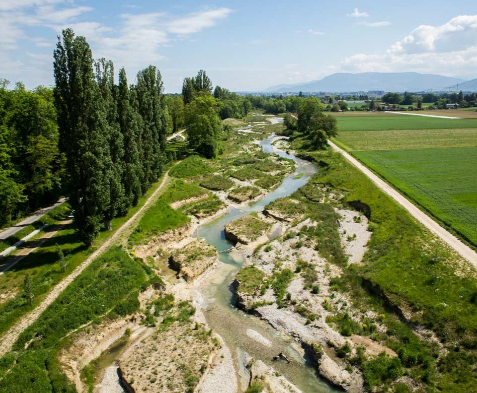
Georges Descombes is a visionary landscape architect renowned for his innovative strategies in landscape design. His work emphasizes the intricate relationship between natural and built environments, tailoring landscapes that harmonize with their surroundings. In this blog post, we will explore some of his prominent landscape strategies and how they can inspire sustainable and functional designs.
1. Integration with Natural Landscapes
One of the core principles of Descombes’ strategy is the seamless integration of landscapes with their natural contexts. He believes that landscapes should respect and enhance existing ecosystems rather than disrupt them. For example, his projects often involve assessing local flora, fauna, and geology before any design decisions are made. This approach not only preserves the local environment but also enriches the aesthetic value of the space.
In practical terms, this means using native plants in landscaping projects, which are more resilient and require less maintenance than exotic species. Descombes’ designs also frequently utilize natural topography to direct water flow, prevent erosion, and create natural habitats. These techniques result in landscapes that are not only beautiful but also ecologically viable.
-
- Research local ecosystems before starting a project.
-
- Use native plants to minimize maintenance.
-
- Incorporate existing terrain when designing landscapes.
-
- Implement water management techniques that mimic natural patterns.
-
- Consider seasonal changes in the landscape design.
2. Community-Centric Spaces
Georges Descombes firmly believes that landscapes should serve the communities that inhabit them. His designs are often centered around communal needs, focusing on creating spaces for social interaction and community activities. For instance, he tends to design parks and public squares that encourage gatherings, recreational activities, and public events, thus strengthening community bonds.
Moreover, Descombes emphasizes participatory design processes, where community members are involved in the planning phase. This approach ensures that the final design resonates with the people who will use the space, fostering a sense of ownership. In his projects, you’ll often find spaces that include areas for children to play, benches for social interaction, and pathways that connect various amenities.
-
- Engage the community in the planning process.
-
- Design multifunctional spaces that accommodate various activities.
-
- Incorporate seating and gathering spots for social interaction.
-
- Ensure accessibility for people of all ages and abilities.
-
- Use signage and art that reflects local culture and history.
3. Sustainable Materials and Practices
Sustainability is another cornerstone of Descombes’ landscape strategies. He advocates for the use of renewable resources and materials that have a lower environmental impact. This includes selecting recycled materials for paths and structures, as well as promoting biodegradable landscaping practices. For instance, his projects may utilize reclaimed wood or locally produced stones, minimizing transportation costs and carbon footprints.
Additionally, Descombes often designs landscapes that promote biodiversity, encouraging flora and fauna to thrive in urban environments. He supports the creation of sustainable water systems, such as rain gardens or permeable pavements, which can help in water management and conservation. Through these methods, he illustrates how landscapes can mitigate environmental challenges while enhancing urban living.
-
- Select local, recycled, or sustainably sourced materials.
-
- Incorporate water conservation techniques into designs.
-
- Consider using permeable surfaces for paths and driveways.
-
- Plan for biodiversity with a variety of plant species.
-
- Educate users on maintenance and ecological benefits of the landscape.
Georges Descombes’ landscape strategies provide an innovative framework for creating harmonious and effective outdoor spaces. By emphasizing natural integration, community involvement, and sustainable practices, his work serves as a model for future landscape architecture. As you plan your next landscaping project, consider implementing these strategies for a more thoughtful and impactful design.
Ready to elevate your landscape design? Reach out to a professional who can guide you through these principles, ensuring your space becomes a sustainable and community-focused environment.