
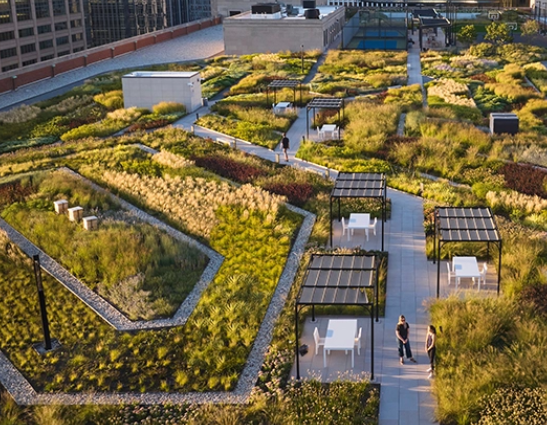
Michel Desvigne is renowned for his innovative landscape strategies that merge ecological awareness with urban design. His approach emphasizes a deep understanding of the natural environment while creating functional spaces that enhance human well-being. In this blog post, we will explore some of the key aspects of Desvigne’s landscape strategy, providing insights into its practical applications and impacts.
1. Integrating Nature into Urban Environments
One of the core principles of Michel Desvigne’s landscape strategy is the integration of nature into urban settings. He believes that urban landscapes should maintain a connection to the natural world, even in highly developed areas. For example, in projects like the Parc de la Villette in Paris, Desvigne incorporates vegetation and water features that mimic natural ecosystems, promoting biodiversity while enhancing the aesthetic appeal of the space.
This integration not only provides aesthetic value but also contributes positively to the urban ecosystem. By using plants that are native to the local environment, the landscapes become more sustainable and require less maintenance. This approach helps mitigate urban heat, improves air quality, and encourages wildlife to thrive in urban areas, creating a balance between development and nature.
-
- Research local flora and fauna for appropriate plant selection.
-
- Incorporate water features such as ponds or rain gardens.
-
- Utilize natural materials to enhance pathways and seating areas.
-
- Design spaces that encourage wildlife, such as birdhouses and bee hotels.
2. Designing Resilient Landscapes for Climate Change
In light of increasing environmental challenges, Desvigne emphasizes the need for resilient landscape design. His strategies often include the use of adaptive landscapes that can withstand climate fluctuations and environmental stresses. For instance, in efforts to combat flooding, he designs areas with permeable surfaces that allow water drainage while also creating spaces for social interaction and recreation.
Additionally, choosing drought-resistant plants is an integral part of this strategy. By selecting materials and vegetation that require minimal water, these landscapes not only conserve resources but also lessen the burden on city water supplies. Resilient landscapes are more than just survivable—they are thriving ecosystems adaptable to changing climates.
-
- Assess the local climate and identify potential risks.
-
- Include varied vegetation to enhance biodiversity.
-
- Create spaces with permeable paving and rain gardens.
-
- Employ strategic irrigation systems to use water efficiently.
3. Community Engagement and Collaboration
A vital part of Michel Desvigne’s philosophy involves engaging the community in the design process. He believes that landscapes should reflect the needs and desires of the people who use them. This participatory approach can be seen in his work on public parks, where feedback from local residents is integral to the project’s development.
Community involvement not only fosters a sense of ownership but also leads to more functional and beloved public spaces. Workshops, surveys, and collaborative design sessions can help gather valuable insights and ensure that the designed spaces serve the community effectively. This collaboration builds rapport and encourages responsible stewardship among users.
-
- Host community workshops to gather input on design ideas.
-
- Create surveys to understand public needs and preferences.
-
- Engage local stakeholders in project planning and execution.
-
- Encourage volunteer involvement for maintenance and care of spaces.
Michel Desvigne’s landscape strategy is a testament to the synergy of ecology, design, and community. By weaving these elements together, he crafts spaces that not only serve practical purposes but also nurture relationships between people and nature. As we rethink our landscapes, let’s consider how we can integrate these principles into our own projects or communities.