Michael Van Valkenburgh is renowned for his innovative landscape designs that seamlessly blend nature with urban environments. His approach to design is not just about aesthetics; it involves a thoughtful, methodical process that prioritizes ecology, community needs, and user experience.
1. Understanding Context
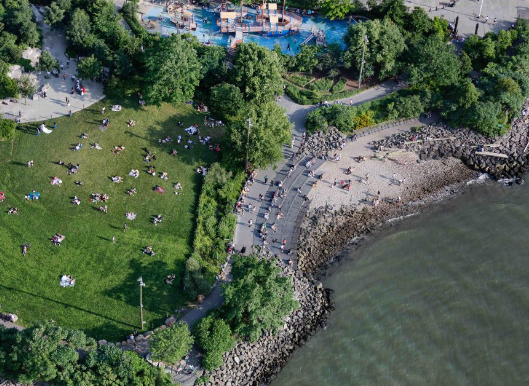
Van Valkenburgh emphasizes the importance of contextual understanding in his design process. This means thoroughly researching and analyzing the site where the project will take place. He explores the natural landscape, historical significance, and cultural nuances of a location before pencil meets paper. For example, in his design for the Brooklyn Bridge Park, he leveraged the historical waterfront by incorporating local plant species and creating spaces that reflect the area’s industrial past.
Contextual understanding also includes engaging with the community to gather insights and preferences. Van Valkenburgh’s team often conducts workshops, surveys, and public meetings to connect with local residents and stakeholders. This collaborative approach ensures that the designs resonate with those who will be using the space, thus fostering a sense of ownership and belonging among the community.
-
- Conduct thorough site research and analysis.
-
- Engage with the local community through workshops.
-
- Consider historical and cultural significance in the design.
-
- Incorporate local flora and fauna into the landscape.
2. Embracing Nature
Central to Van Valkenburgh’s design philosophy is an embrace of nature, where landscapes are not merely designed but are allowed to evolve over time. His projects often include natural elements that promote biodiversity and support wildlife populations. For instance, the landscape designs at the National Gallery of Art’s Sculpture Garden feature native plants that require minimal maintenance while attracting pollinators, ultimately enhancing the local ecosystem.
This nature-centric approach also involves the use of sustainable materials and systems. For example, Van Valkenburgh integrates rain gardens to manage stormwater effectively, reducing runoff and improving water quality. By focusing on sustainability, his designs not only create beautiful environments but also ensure that they are resilient and long-lasting.
-
- Incorporate native plants for ecological benefits.
-
- Use sustainable materials in construction.
-
- Design with stormwater management in mind.
-
- Create habitats that support local wildlife.
3. Crafting Experiences
Creating memorable experiences is a cornerstone of Van Valkenburgh’s process. He envisions landscapes that stimulate all five senses, where users can interact with their environment in meaningful ways. In the design of the Don River Park in Toronto, he integrated walking paths, overlooks, and play areas that encourage exploration and connection with nature.
Furthermore, the sense of place is enhanced through thoughtful design. Van Valkenburgh pays special attention to sight lines, materials, and seasonal changes in his projects. This thoughtful design creates spaces that are enjoyable year-round and cater to diverse activities, whether it’s a serene stroll, adventurous play, or community gatherings.
-
- Design with user experience in mind.
-
- Create spaces for diverse activities and interactions.
-
- Enhance sensory experiences through materials and elements.
-
- Pay attention to the seasonal changes and ensure year-round usability.
4. Iterative Design Process
Van Valkenburgh’s design process is highly iterative, relying on the input and feedback received throughout various phases of development. After the initial design concepts are developed, they undergo several revisions based on stakeholder feedback and practical assessments. This iterative approach allows for fine-tuning aspects of the design to better meet user needs and site conditions.
For example, the transformation of the former rail yard into the Rail Park in Philadelphia involved multiple design iterations fueled by community input. The final design reflects a collaborative effort that resulted in a vibrant green space tailored to the needs of the urban population. This prototype model illustrates how flexibility and adaptability can lead to successful outcomes in public space design.
-
- Encourage stakeholder feedback at every design stage.
-
- Be open to revisions and adapt based on input.
-
- Create prototype models to visualize proposed changes.
-
- Conduct assessments during the implementation phase for best results.
5. Long-Term Visioning
Van Valkenburgh believes in looking beyond immediate needs to create designs with a long-term vision. This entails considering how landscapes will evolve with changing demographics and environmental conditions. For instance, he considers climate resilience in his projects, ensuring that green spaces can adapt to future challenges such as flooding or urban heat islands.
This forward-thinking approach promotes sustainability and ensures that the landscapes remain functional and beautiful for generations to come. By incorporating elements that allow for adaptability, such as planting drought-resistant species or creating multi-use spaces, Van Valkenburgh aims to create enduring legacies in his designs.
-
- Anticipate future changes in demographics and climate.
-
- Select adaptable materials and plant species.
-
- Design multi-use spaces for flexibility over time.
-
- Engage experts in climate resilience for informed decisions.
In conclusion, Michael Van Valkenburgh’s design process is a meticulous blend of context, sustainability, user experience, and long-term visioning. By engaging with communities and embracing nature, he creates landscapes that not only enhance the physical space but also foster strong connections among people. If you are inspired by these principles, consider consulting with a landscape design professional to explore how you can implement some of these strategies in your own projects.