
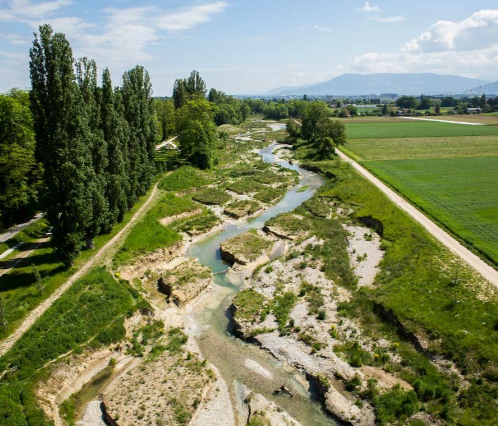
Georges Descombes is a renowned landscape architect whose work emphasizes the interplay between memory and landscape. His projects often remind us that places carry stories, both personal and collective, shaping our experiences and interactions with the environment. In this post, we will explore Descombes’ concept of site memory through several key principles that inform his landscape designs.
1. Understanding Site Memory
Site memory refers to the inherent history and emotional connection that a landscape holds for its users. Descombes believes that every site has unique narratives that influence how people interact with the space. For instance, when designing a public park, he often researches the previous uses of the land—whether it was an industrial site, a natural habitat, or a historical landmark—which informs how he presents the new landscape.
By acknowledging these pasts, architects can create spaces that resonate on a deeper emotional level with the local population. For example, the redesign of an old quarry into a recreational area can evoke memories of labor and community while providing modern amenities. Incorporating elements that reference the site’s history not only pays homage to the past but fosters a sense of belonging among users, making them guardians of the memories associated with the space.
-
- Research the historical significance of the site.
-
- Engage with local communities to understand their connection to the landscape.
-
- Utilize materials that reflect the site’s past.
-
- Design elements that act as reminders of previous uses.
-
- Incorporate storytelling in the landscape features.
2. The Role of Sensory Experience
Descombes emphasizes creating landscapes that engage all the senses, enriching the user experience. The textures of the earth, the scent of flowers, and the sounds of flowing water all contribute to a memory-infused environment. For example, he might choose specific plant species that provide a sensory experience through their colors and scents, ensuring that every visit is unique and evocative.
Furthermore, the tactile experience of walking on various surfaces, such as gravel, grass, or wood, invites users to connect with the environment physically. Designing pathways that subtly guide users through the landscape while presenting different sensory stimuli keeps their experience fresh and memorable. These sensory interactions help reinforce emotional ties to the landscape, leading to a stronger sense of place over time.
-
- Choose plants that engage the senses—colors, scents, and textures.
-
- Design pathways that create sensory diversity.
-
- Incorporate water features for sound and visual appeal.
-
- Utilize natural materials for a tactile experience.
-
- Plan seasonal changes to keep the experience dynamic.
3. Layering Time and Space
In Descombes’ work, layering time and space is crucial to crafting landscapes that reflect evolution and change. This refers to creating spaces where the passage of time is evident, such as through the growth of plants or the wear of materials. For instance, using materials that weather over time can evoke a sense of permanence and history, anchoring the space within a temporal context.
Layering also involves integrating different functions and scales within the landscape. For example, parks can serve different community needs—play areas for children, quiet spaces for reflection, and pathways for exercise—all while maintaining visual coherence. By considering the diversity of experiences across time, architects can design multifaceted environments that cater to various community needs and preferences.
-
- Incorporate elements that transform over time.
-
- Design flexible spaces for diverse activities.
-
- Use durable materials that tell a story of aging.
-
- Integrate nature’s cycles into the design.
-
- Consider future expansions or changes in community needs.
4. Collaboration with Artists and Communities
Descombes champions collaboration, believing that artists and community members bring invaluable perspectives to landscape design. Collaborating with local artists can infuse a sense of identity and creativity into a project, creating more meaningful spaces that thrive on cultural expression. For instance, site-specific artworks can invoke shared memories and spark conversations among users.
Moreover, involving community members in the design process ensures that the landscape resonates with those who will use it. Workshops, interviews, and design charrettes can provide crucial insights into how a space is perceived and how it should function. This collaborative approach not only leads to a more cherished public space but also fosters community pride and ownership.
-
- Host community workshops to gather input and ideas.
-
- Engage local artists to contribute unique perspectives.
-
- Encourage volunteer opportunities for community involvement.
-
- Utilize feedback from users post-implementation for continual improvement.
-
- Use social media to build a community around the project.
Georges Descombes’ approach to site memory in landscape architecture invites us to appreciate the stories embedded in our surroundings. By understanding site memory, engaging our senses, layering time and space, and collaborating with communities, we can create landscapes that resonate with those who inhabit them. Consider diving into this transformative process in your own environment, whether through a small garden or a community project, to nurture connections and cultivate memories.