
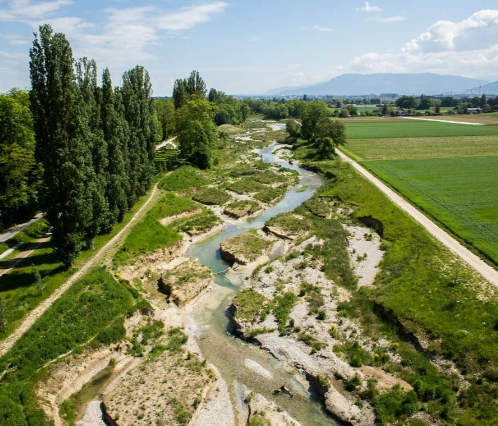
Michel Desvigne is a renowned landscape architect whose work embodies the principles of naturalistic landscape design. With a focus on integrating spaces with their natural environment, he emphasizes sustainability and the evolution of landscapes over time. This blog post explores his design philosophy and provides practical insights into implementing his approaches.
1. The Philosophy of Naturalistic Landscape Design
At the core of Michel Desvigne’s landscape design is the belief in creating spaces that harmoniously blend with their surroundings. This philosophy stems from an understanding that landscapes are dynamic ecosystems that evolve over time. Instead of rigid, geometric forms, his designs incorporate fluidity and organic shapes, allowing nature to dictate the design’s development.
By using native plants and materials, Desvigne emphasizes sustainability over ornamentalism. His work showcases how landscapes can serve functional purposes while still being visually appealing. For example, he often integrates water elements, which not only enhance aesthetics but also support local wildlife and improve drainage.
-
- Learn about local ecology to choose appropriate plants.
-
- Incorporate natural landforms into your designs.
-
- Utilize materials that reflect local geology.
-
- Consider the long-term maintenance and evolution of the space.
-
- Engage community input during the design process.
2. Key Techniques in Desvigne’s Work
Michel Desvigne employs several innovative techniques in his designs to enhance biodiversity and aesthetics. One notable technique is the use of “buffalo grass,” a drought-resistant native grass that provides a resilient ground covering while reducing water usage. This approach not only conserves resources but also supports the local ecosystem.
Another technique is the integration of vegetation to create habitats that attract wildlife. By designing landscapes that host a variety of plant species, Desvigne promotes ecological diversity. For instance, his designs often feature layered planting – tall trees, mid-level shrubs, and ground-cover plants – to create a multi-dimensional habitat that supports various animal species.
-
- Incorporate drought-resistant plants to conserve water.
-
- Create microhabitats by layering plant heights.
-
- Utilize native species to support local wildlife.
-
- Create “buffer zones” around edges to protect sensitive areas.
-
- Promote ecological balance by avoiding monocultures.
3. Implementing Desvigne’s Design in Your Own Spaces
Integrating Michel Desvigne’s naturalistic design principles into your landscape can be a rewarding endeavor. Begin by assessing the unique characteristics of your space, including soil type, sunlight exposure, and existing flora. This evaluation allows you to select the appropriate design elements that will thrive in your environment.
When planning your landscape design, don’t hesitate to incorporate pathways or seating areas that encourage interaction with nature. Desvigne often emphasizes the importance of human interaction with landscapes, aiming to foster a sense of well-being and connection to the environment. By designing areas that invite exploration, you promote not only enjoyment but also environmental awareness.
-
- Conduct an assessment of your land’s native flora and fauna.
-
- Map out areas for paths and seating that blend into natural forms.
-
- Start with small sections to measure success before expanding.
-
- Include features that adapt over time, like flexible plant arrangements.
-
- Foster exploratory interaction by creating diverse experiences.
Michel Desvigne’s approach to naturalistic landscape design beautifully merges environment and human experience. By observing the principles laid out in his work, you can create landscapes that are not only appealing but also ecologically sustainable. Engage with your environment and let nature guide your design choices.
As you dive into the world of naturalistic landscape design, consider consulting a professional or starting a DIY project in your own backyard. Understanding and applying these principles can transform your space into a vibrant and sustainable home for both people and wildlife.