
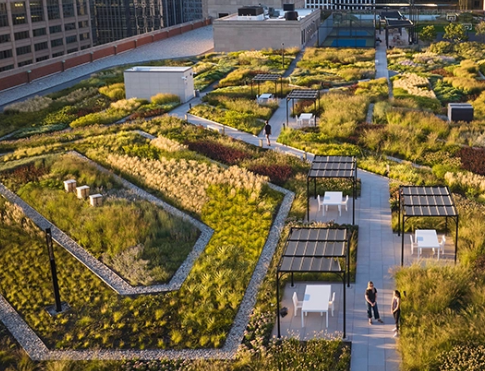
Michael Van Valkenburgh Associates is a celebrated landscape architecture firm known for its innovative design and planning approaches. Their landscape strategy emphasizes a deep understanding of context, ecology, and public engagement, resulting in spaces that are both functional and inspiring.
1. Emphasizing Ecological Context
One of the core tenets of Michael Van Valkenburgh’s landscape strategy is the emphasis on ecological context. By taking into account the local flora and fauna, topography, and climate conditions, the firm creates landscapes that enhance the existing natural environment rather than disrupt it. For instance, in their project at Brooklyn Bridge Park, they integrated native plants and materials to reinforce the area’s biodiversity while inviting public engagement.
This approach also extends to water management and soil health. The firm often employs sustainable practices that improve the ecological resilience of their designs, such as rain gardens and bio-swales that facilitate natural water drainage and support diverse habitats. Their work reflects an understanding that landscapes should not only look beautiful but also function effectively within their ecological systems.
-
- Conduct thorough site analysis to understand ecological factors.
-
- Use native plants to support local biodiversity.
-
- Incorporate sustainable stormwater management techniques.
-
- Enhance soil health through organic materials and local resources.
2. Engaging with Community Needs
Michael Van Valkenburgh’s strategy often includes direct engagement with the community during the design process, ensuring that projects meet local needs and aspirations. By hosting workshops, surveys, and public meetings, the firm gathers invaluable input that shapes the final designs. For example, in the design of the Houston Botanic Garden, they worked collaboratively with local residents to create spaces that reflect the community’s cultural and recreational interests.
This community-focused approach not only fosters a sense of ownership but also promotes diverse usage of the space. The firm designs spaces that invite interaction, whether through thoughtful seating arrangements, walking paths, or playgrounds, ensuring that the site serves multiple purposes for varied demographics. This creates a vibrant, dynamic environment that keeps people coming back.
-
- Conduct community engagement meetings early in the planning process.
-
- Incorporate input from diverse demographics to ensure inclusivity.
-
- Design flexible spaces that serve multiple purposes.
-
- Create gathering spaces that encourage social interactions.
3. Integrating Art and Nature
Another hallmark of Van Valkenburgh’s landscape strategy is the seamless integration of art and nature. The firm often collaborates with artists to enhance the sensory experience of their landscapes, creating environments that inspire creativity and reflection. For instance, at the revitalized East River Park, artwork was naturally woven into the landscape, providing visual intrigue while complementing the surrounding greenery.
The integration of art fosters a connection between users and the landscape, transforming ordinary spaces into extraordinary experiences. It also provides opportunities for storytelling, as art can convey historical or cultural narratives relevant to the site. By creating thoughtful intersections of nature and culture, Van Valkenburgh’s designs resonate more deeply with the community and enhance the overall experience of the space.
-
- Collaborate with local artists to incorporate public art installations.
-
- Use materials and craftsmanship that reflect regional character.
-
- Design spaces that encourage exploration and emotional engagement.
-
- Incorporate storytelling elements through art to connect with the community.
Michael Van Valkenburgh Associates provides a compelling model for landscape design that is both ecologically aware and community-focused. As communities become more engaged with their surroundings, the importance of effective landscape strategies continues to grow. Consider consulting a professional landscape architect to explore custom strategies that could enhance your local environment or community space.