
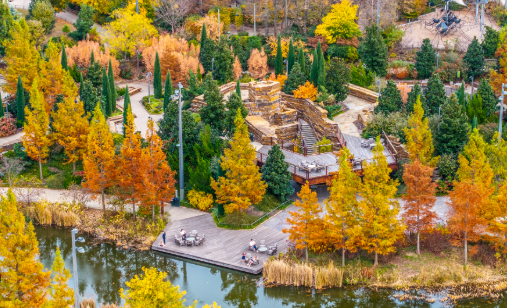
Michael Van Valkenburgh is renowned for his innovative approach to landscape design that embraces resilience, sustainability, and ecological awareness. His designs not only enhance the beauty of outdoor spaces but also ensure that they can withstand the challenges posed by climate change. By integrating natural systems into urban environments, Van Valkenburgh creates spaces that are beneficial for both people and the planet.
1. The Philosophy of Resilient Design
At the core of Michael Van Valkenburgh’s landscape philosophy is the idea that good design should harmonize with nature rather than fight against it. This means considering local ecosystems, weather patterns, and the human experience when creating landscapes. For instance, in his work on the Brooklyn Bridge Park, he integrated the natural flow of the East River, allowing for a design that not only beautified the city but also provided flood mitigation through careful planting and the use of wetlands.
Furthermore, his designs often emphasize the importance of biodiversity. By incorporating various plant species that are native to a region, Van Valkenburgh enhances the resilience of landscapes to pests and diseases and promotes the well-being of local wildlife. His ethos encourages a deep understanding of and respect for nature, which leads to landscapes that thrive organically.
-
- Research local ecosystems before designing.
-
- Choose native plants for your landscape projects.
-
- Plan for natural water flow and drainage.
-
- Incorporate varied planting to enhance biodiversity.
-
- Study climate patterns in your area for long-term resilience.
2. Practical Elements of Resilient Landscapes
Incorporating practical elements that support ecological health is a hallmark of Van Valkenburgh’s work. For example, rain gardens and bioswales are integral components used to manage stormwater, allowing excess rain to be absorbed naturally into the ground while filtering pollutants before they reach waterways. These features not only promote a healthier environment but they also contribute aesthetic value to urban designs.
Permeable paving is another technique embraced in many of Van Valkenburgh’s projects. Unlike traditional concrete, permeable paving allows water to infiltrate, reducing runoff and recharging groundwater supplies. Such systems are crucial in urban areas where impermeable surfaces dominate, making them an essential aspect of resilient landscape design.
-
- Incorporate rain gardens to manage stormwater effectively.
-
- Use permeable surfaces to reduce runoff.
-
- Design landscapes that promote natural water infiltration.
-
- Utilize native plants in bioswales for enhanced filtration.
-
- Monitor and maintain systems regularly for optimal performance.
3. Community Engagement and Education
Van Valkenburgh’s work often transcends aesthetics, paving the way for community engagement and education regarding environmental stewardship. He believes that involving the community in the design process fosters a sense of ownership and responsibility towards these spaces. Projects like the ongoing work at the Charles River Esplanade in Boston involve public input to tailor the landscape to meet community needs.
Educational elements can also be integrated into design. For instance, interpretative signage that explains local flora, fauna, or sustainable practices can help visitors learn about the ecosystem they are a part of while fostering a deeper connection to nature. Community workshops and volunteer days can also empower residents to participate actively in the stewardship of their environments.
-
- Host community meetings to gather input on design projects.
-
- Incorporate educational features like signage and workshops.
-
- Encourage local volunteering to maintain landscapes.
-
- Create interactive features that engage visitors with nature.
-
- Promote neighborhood clean-up days as part of maintenance.
Michael Van Valkenburgh’s approach to resilient landscape design goes beyond aesthetics; it emphasizes ecological integrity, community engagement, and practical solutions to contemporary environmental challenges. By learning from his strategies and philosophies, anyone can start creating spaces that not only look beautiful but also support the environment’s long-term health.
For anyone interested in improving their surroundings, consider applying these principles in your own outdoor spaces. Whether it’s a garden in your backyard or a public park, every effort counts toward a more resilient future.