
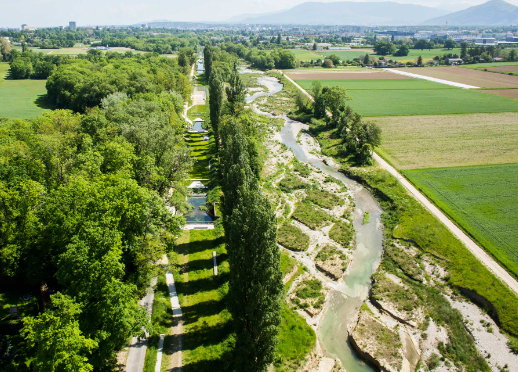
Georges Descombes is a celebrated landscape architect whose portfolio reflects a commitment to creating spaces that harmonize with their surroundings. His work is characterized by a profound understanding of ecology, culture, and the intricate relationships between people and nature. In this blog post, we will explore several highlights from his portfolio, uncovering the values and methodologies that shape his extraordinary designs.
1. Design Philosophy
Georges Descombes’ design approach is centered on the principle of context. He believes that every project must respond not only to the physical environment but also to the cultural and social dynamics of the area. By integrating local flora and mirroring indigenous architecture within his designs, Descombes creates landscapes that feel both meaningful and relevant to the community. For instance, his work on the Parc des Evaux highlights the delicate balance between urban space and nature, showcasing how landscapes can reflect local history while providing aesthetic and functional benefits.
Moreover, Descombes places a strong emphasis on sustainability, ensuring that his projects contribute positively to the environment. Each design decision is rooted in ecological awareness, promoting biodiversity and reducing carbon footprints. This philosophy is evident in his management of stormwater as a resource in public spaces, utilizing native plants that thrive in the local climate while minimizing maintenance costs.
-
- Identify local materials and native plants for your project.
-
- Consider cultural and historical context when designing.
-
- Prioritize sustainability and ecological function.
-
- Engage with the local community to gather input.
2. Notable Projects
One of the standout projects in Descombes’ portfolio is the Bâtiment des Forces Motrices in Geneva, Switzerland. This urban park envelops an industrial building, transforming a historical site into a vibrant public space. The project connects residents with the River Rhône and promotes recreational activities, reflecting Descombes’ belief in the importance of integrating natural elements within urban environments. Pathways that meander through the site encourage leisurely exploration while offering stunning views of the river and landscape.
An equally impressive project is the public park in the city of Fribourg, where Descombes employed a combination of modern design and nature restoration techniques. The park includes playful playgrounds, shaded areas with benches, and trails that invite exploration. His intention is to provide a safe and engaging space for families while fostering a connection to the natural environment. Both projects exemplify how thoughtful landscape architecture can enhance urban life by bridging the gap between nature and man-made structures.
-
- Highlight historical significance in public spaces.
-
- Promote accessibility for all age groups.
-
- Incorporate sustainable design elements.
-
- Utilize water features to enhance natural beauty.
3. Innovation in Landscape Engineering
Descombes isn’t merely focused on aesthetics; he is also deeply invested in the engineering aspects of his projects. His innovative use of technology in landscape architecture allows him to create designs that are not only visually pleasing but also functional and resilient. For example, the integration of rain gardens in urban settings is an approach Descombes promotes, capturing stormwater runoff and contributing to urban irrigation. This method effectively reduces pollution and promotes groundwater replenishment.
Furthermore, Descombes advocates for the use of smart materials and green infrastructure, enhancing the performance of landscapes while being environmentally friendly. Techniques such as green roofs and living walls have become staples in his designs, showcasing the beauty of vegetation while improving energy efficiency in buildings. His focus on innovation serves not only the immediate needs of a project but also addresses broader environmental challenges.
-
- Research innovative materials suitable for landscape design.
-
- Incorporate smart technologies in outdoor spaces.
-
- Explore green infrastructure solutions for urban settings.
-
- Consider designs that reduce heat and optimize energy use.
In conclusion, Georges Descombes’ landscape architecture portfolio showcases a harmonious blend of context, sustainability, and innovation. By focusing on these core principles, his work not only beautifies spaces but also enhances the lives of those who inhabit them. Whether you are considering a landscape project or simply seeking inspiration, exploring Descombes’ work can provide invaluable insights into the potential of modern landscape architecture. Take the time to reflect on how thoughtful design can transform the environments we live in.