
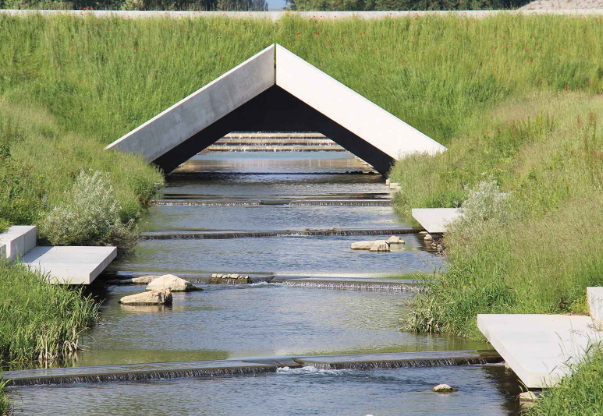
Georges Descombes is a renowned landscape architect known for his innovative and thoughtful designs that prioritize harmony with the environment. His principles guide the transformation and revitalization of public spaces, acknowledging both ecological and social dynamics. By understanding and applying Descombes’ design principles, you can create more sustainable and engaging spaces.
1. The Interplay of Nature and Urban Spaces
One of Descombes’ core principles is the seamless integration of natural elements into urban environments. This principle emphasizes incorporating greenery, water features, and open spaces to create a dialogue between nature and built structures. For instance, landscapes designed under his influence often feature native plant species that not only enhance biodiversity but also reduce maintenance costs and resource consumption, proving that nature can thrive within urban settings.
Moreover, Descombes believes in the importance of creating spaces that facilitate human interaction with nature. This can include parks that foster community engagement, offering areas for play and relaxation while also providing educational experiences about local ecosystems. Spaces like community gardens or urban forests can help bridge the gap between humans and their natural surroundings.
-
- Use native plants to reduce maintenance and promote biodiversity.
-
- Incorporate water features to enhance ambiance and attract wildlife.
-
- Create multifunctional spaces that promote human interaction and education.
-
- Design pathways that meander through natural areas for exploration.
2. Fostering Community Engagement
Another vital aspect of Descombes’ design principles is the emphasis on community involvement. He advocates for engaging local communities in the planning and implementation phases of landscape projects. This inclusion ensures that the design responds effectively to the needs and desires of the people who will utilize the space, leading to a greater sense of ownership and care among community members.
Successful public spaces foster community identity and connection. For example, projects designed with community input can transform neglected areas into vibrant hubs of activity. By hosting workshops or planning charrettes, designers can gather valuable insights and ensure that the resulting landscapes resonate with the community’s aspirations.
-
- Conduct surveys and workshops to gauge community needs and preferences.
-
- Invite locals to participate in design brainstorming sessions.
-
- Encourage feedback through ongoing communication during project implementation.
-
- Foster leadership among community members for future upkeep and programming.
3. Sustainable Practices and Materials
Sustainability is at the heart of Descombes’ philosophies. His designs not only prioritize eco-friendly materials but also focus on reducing energy consumption and waste during and after construction. For example, using permeable surfaces helps manage stormwater runoff, while sourcing reclaimed or locally available materials minimizes carbon footprints. These practices inspire other designers to adopt similar sustainable approaches.
In addition, Descombes advocates for the implementation of systems that support wildlife habitats, such as bioswales or green roofs. Such features not only enhance the ecological performance of landscapes but also contribute to the aesthetic appeal of urban environments. Designers can dramatically influence the sustainability of their projects by integrating these features into their designs from the outset.
-
- Select sustainable, locally-sourced materials whenever possible.
-
- Implement water management systems to handle stormwater effectively.
-
- Incorporate wildlife habitats into designs to enhance local ecology.
-
- Consider lifecycle impacts of materials and construction methods.
In conclusion, applying Georges Descombes’ design principles can lead to more sustainable, engaging, and community-focused landscapes. By embracing the interplay of nature and urban development, fostering community engagement, and advocating for sustainable materials, you can create spaces that not only fulfill aesthetic needs but also promote environmental stewardship. Consider consulting a landscape architect to explore these principles further in your own projects.