
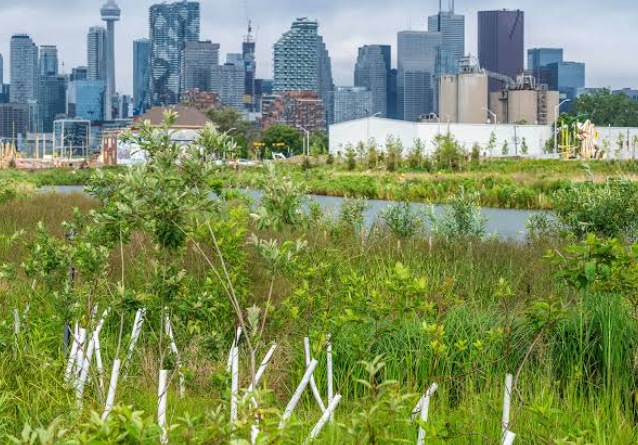
Michael Van Valkenburgh is a renowned landscape architect whose design principles emphasize the importance of creating spaces that harmoniously integrate with their surroundings. His work transcends mere aesthetics, focusing on environmental sustainability, community engagement, and the enhancement of the human experience in outdoor spaces. In this blog post, we will explore some of his fundamental design principles and how they can be applied to various landscape projects.
1. Integration with Nature
One of Van Valkenburgh’s core design principles is the integration of human-made landscapes with natural ecosystems. This approach aims to create a seamless transition between built environments and their natural surroundings. For instance, in the design of the Brooklyn Bridge Park, artificial landscapes complement the existing waterfront, encouraging biodiversity while providing recreational spaces for residents and visitors. This ecological sensitivity not only enhances the beauty of urban settings but also strengthens local ecosystems.
To effectively integrate nature into your designs, consider the following factors: native vegetation, natural landforms, and water management. Native plants are adapted to the local climate and require less maintenance, while preserving regional biodiversity. By utilizing natural landforms, designers can create spaces that feel organic rather than manufactured. Effective water management, such as rain gardens and bioswales, can reduce runoff and enhance soil health.
-
- Research local ecosystems and identify native plant species.
-
- Design landscapes that mimic natural formations and gradients.
-
- Incorporate rain gardens or permeable surfaces to manage stormwater.
-
- Engage with local environmentalists for expert insights.
2. Community Engagement and Interaction
Community engagement is another critical element of Van Valkenburgh’s design approach. He believes that landscapes should serve the needs of the people who use them, fostering social interactions and a sense of ownership. An exemplary project reflecting this principle is the design of the Mother Nature Garden in the Bronx, which invites neighborhood residents to participate in the gardening process. This engagement not only cultivates a sense of community but also educates participants about sustainable practices.
Incorporating community input into your landscape designs can lead to more functional and enjoyable spaces. This can be achieved through workshops, surveys, and public meetings, where future users can express their preferences and needs. Designing flexible spaces that can accommodate different activities, along with features that encourage social interaction, are also important aspects of community-focused landscapes.
-
- Host community workshops to gather input on design preferences.
-
- Incorporate multifunctional spaces that support various activities.
-
- Design social gathering spots like benches or picnic areas.
-
- Keep updates transparent to maintain community excitement and involvement.
3. Emphasis on Experience
Van Valkenburgh emphasizes the importance of the human experience in landscape design. He believes that landscapes should offer visitors a journey, taking them through sensory experiences and emotional connections with their environment. For example, in the design of the University of Texas Campus, pathways guide students through diverse landscapes, creating a sense of discovery and engagement with the academic community. Each turning point offers something new, enhancing the overall experience of the space.
To implement this principle in your projects, think about creating varied sightlines, textures, and smells that evoke different emotions. Consider incorporating features such as playful fountains, climbing structures for children, or quiet nooks for reflection. A well-thought-out pathway system not only enhances movement but also invites exploration, encouraging users to engage with the environment in meaningful ways.
-
- Introduce diverse pathways and sightlines to encourage exploration.
-
- Incorporate sensory elements like water features or gardens.
-
- Design spaces that can transform through the seasons.
-
- Include benches and other seating designed for relaxation and interaction.
In conclusion, Michael Van Valkenburgh’s design principles offer practical guidance for creating landscapes that are not only beautiful but also functional and sustainable. By integrating nature, engaging communities, and focusing on enriching experiences, landscape designers can make a profound impact on how people interact with their environments. We encourage you to explore these principles in your next project, and consider consulting a professional landscape architect to bring your vision to life.