
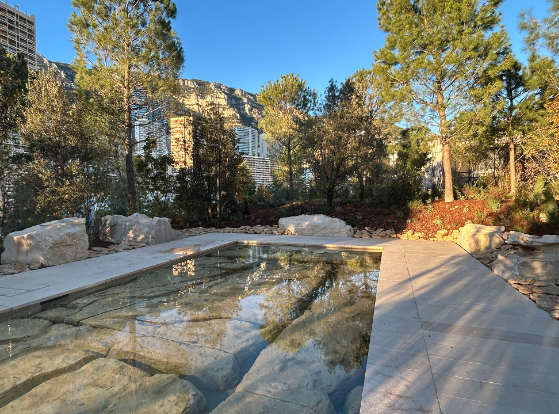
Urban regeneration is a vital part of revitalizing neglected areas within cities, and Michel Desvigne has been a pivotal figure in this field. Known for his innovative approaches and respect for the environment, Desvigne brings nature back to urban settings, transforming them into vibrant places to live and work.
1. Understanding Michel Desvigne’s Philosophy
Michel Desvigne believes in the importance of integrating nature into urban spaces. His design philosophy emphasizes the coexistence of natural landscapes and human-made structures. For instance, Desvigne’s work in public parks often includes native plants and sustainable materials, creating spaces that not only benefit residents but also the local ecosystem. This approach enhances biodiversity while making urban settings more livable.
Desvigne’s projects highlight the necessity of urban green spaces as essential components for healthy city life. By prioritizing parks and recreational areas, he has shown that urban regeneration can promote well-being. His works, such as the Parc de la Villette in Paris, incorporate elements that encourage community engagement and environmental stewardship, demonstrating how thoughtful design can revitalize a neighborhood.
-
- Explore nature-centric designs in your local area.
-
- Identify community needs and how they can be met through green spaces.
-
- Consider sustainable materials in urban planning.
-
- Engage with local stakeholders for feedback on designs.
2. Case Studies of Urban Regeneration Projects
Desvigne’s work spans multiple cities and contexts, each showcasing his innovative approach to urban regeneration. One such example is the revitalization of the Quai de la Loire in Paris. This project transformed a formerly neglected riverside area into a lively promenade, fostering social interaction and economic activity. By integrating benches, pathways, and green spaces, Desvigne effectively turned a bleak waterfront into a beloved urban destination.
Another noteworthy project is the Austerlitz waterfront, where Desvigne utilized the concept of “landscapes of memory” to create a space that honors the area’s history while addressing modern needs. This thoughtful integration of historical elements with modern design encourages appreciation and enhances civic pride. Through these case studies, it becomes clear that Desvigne’s methods are rooted in understanding the unique characteristics of each site.
-
- Research successful case studies of urban regeneration.
-
- Identify how historical contexts can influence design.
-
- Encourage community involvement in planning stages.
-
- Consider diverse uses for urban spaces beyond recreation.
3. Challenges in Urban Regeneration
While urban regeneration projects like those of Michel Desvigne are often celebrated, they also face significant challenges. One major hurdle is grappling with existing urban infrastructure that may not align with new designs. Adapting old systems to meet modern sustainability standards frequently complicates projects and requires innovative solutions. For example, integrating stormwater management into existing layouts can be a daunting task, but it’s crucial for improving urban resilience.
Additionally, attracting funding and support for urban regeneration can present difficulties. Government budgets often shift, and securing ongoing investment is essential for long-term success. Desvigne’s projects have often benefited from public-private partnerships, illustrating how collaboration can lead to innovative funding solutions. Addressing these challenges demands creativity and collaboration among designers, city planners, and stakeholders.
-
- Identify potential challenges before starting a project.
-
- Involve local government and stakeholders from the outset.
-
- Create a clear plan for integrating infrastructures.
-
- Explore diverse funding options, including grants and partnerships.
4. The Future of Urban Spaces with Michel Desvigne’s Inspirations
Looking ahead, Michel Desvigne’s vision for urban regeneration emphasizes the construction of resilient and adaptive cities. This forward-thinking approach encourages designs that are flexible and capable of evolving with societal changes. Incorporating features such as community gardens and adaptable spaces can foster a sense of ownership among residents, making them active participants in their urban environments.
Furthermore, Desvigne’s work has inspired a new generation of landscape architects and urban planners who prioritize ecological sustainability. With increasing pressure from climate change, urban planners are adopting methodologies that consider environmental impacts. Cities worldwide are beginning to adopt sustainable practices like green roofs, urban agriculture, and ecological connectivity, shaped by Desvigne’s principles.
-
- Stay updated on new sustainable design trends.
-
- Encourage local initiatives that promote greenspaces.
-
- Advocate for policies that support urban regeneration.
-
- Explore educational resources on sustainable urban design.
In conclusion, Michel Desvigne’s contributions to urban regeneration provide valuable insights into creating harmonious and sustainable cities. By understanding his philosophy and engaging with his projects, you can play a vital role in fostering vibrant urban environments. Take the next step by exploring local urban regeneration efforts in your area or consulting with professionals to make a difference!