
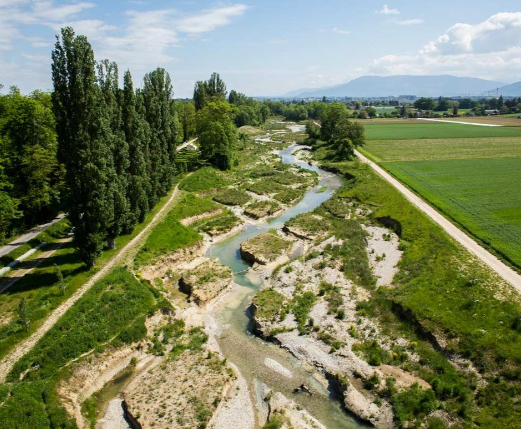
Georges Descombes is a renowned landscape architect known for integrating infrastructure and nature in harmonious and innovative ways. His work not only enhances urban environments but also redefines our relationship with public spaces. This blog post will explore the intricacies of his landscape infrastructure, shedding light on the principles that guide his artistic and practical approaches.
1. The Philosophy Behind Descombes’ Landscape Architecture
At the heart of Descombes’ philosophy lies the belief that landscape infrastructure should be more than utilitarian; it should foster connection between people and the environment. He emphasizes the potential of landscapes to facilitate social interactions while also addressing ecological concerns. Consider, for example, how he integrates green spaces with urban development, allowing natural elements to coexist with concrete structures.
Descombes often draws inspiration from natural systems, creating designs that mimic their efficiency and beauty. This approach invites a reconsideration of urban spaces, transforming them into dynamic environments that promote biodiversity and enhance urban living. Through his work, he champions the idea that infrastructure can serve both societal needs and environmental sustainability.
-
- Research various landscape architecture philosophies.
-
- Examine projects that merge aesthetics with functionality.
-
- Engage with local communities to better understand their needs.
-
- Stay updated on ecological practices and sustainable materials.
2. Innovative Projects: A Testament to Collaboration
Descombes’ projects often stem from collaboration with diverse stakeholders, highlighting the importance of community engagement. A notable example is the rehabilitation of the Rhône River banks in Geneva, which required input from residents, environmentalists, and city planners. The outcome not only restored the ecological integrity of the river but also created a vibrant public space for recreation and social gatherings.
This collaborative approach extends to his work in urban revitalization, where he intertwines infrastructure with public art and functional spaces. In these projects, he often employs elements like green roofs, rain gardens, and permeable pavements. Such designs not only improve aesthetics but also capture stormwater and reduce urban heat, demonstrating the multifaceted benefits of well-planned landscape infrastructure.
-
- Encourage stakeholder involvement in all project phases.
-
- Celebrate local culture and history through design.
-
- Implement eco-friendly practices to enhance sustainability.
-
- Create multifunctional spaces that serve various community needs.
3. The Role of Education and Awareness in Landscape Infrastructure
Descombes believes that educating the public about landscape infrastructure plays a crucial role in fostering appreciation and advocacy for such spaces. He often conducts workshops and community outreach programs to inform citizens about the ecological benefits associated with properly designed landscapes. This educational effort aims to instill a sense of responsibility towards maintaining public spaces.
Moreover, he collaborates with universities and research institutions to promote the integration of landscape architecture into urban planning curricula. By exposing future architects and planners to innovative practices, Descombes ensures that the next generation is well-equipped to enhance urban ecosystems. His commitment to education embodies his vision of sustainable, interconnected urban landscapes for the future.
-
- Organize educational programs focused on landscape design.
-
- Use social media to share insights and resources.
-
- Facilitate community tours of completed projects.
-
- Partner with educators to develop relevant curricula.
Georges Descombes’ landscape infrastructure work reflects a profound understanding of the intricate balance between nature and urban life. His principles, innovative projects, and commitment to education serve as guiding lights for aspiring landscape architects and urban planners. If you feel inspired by Descombes’ vision, consider engaging with local landscape initiatives or exploring further studies in this essential field.