
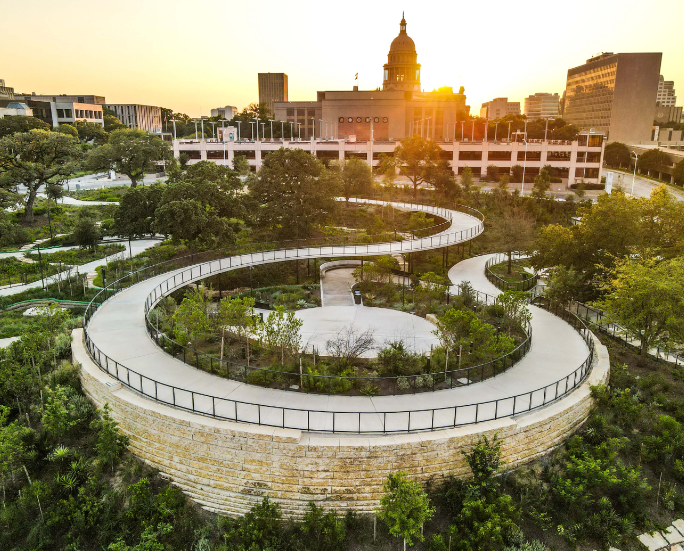
Michael Van Valkenburgh is a renowned landscape architect known for his innovative approach to landscape infrastructure. His work redefines the relationship between people and the environment, creating spaces that seamlessly blend functionality with natural beauty. In this blog post, we will delve into his principles and projects that exemplify modern landscape infrastructure.
1. The Philosophy Behind Landscape Infrastructure
At the heart of Van Valkenburgh’s design philosophy is the belief that landscapes should serve a dual purpose: ecological restoration and human enjoyment. By integrating natural elements with urban design, his projects aim to create sustainable environments that thrive over time. For example, his work on the Brooklyn Bridge Park transformed a post-industrial waterfront into a vibrant public space that promotes biodiversity while providing recreational opportunities for city dwellers.
This integrated approach not only enhances the aesthetic appeal of urban areas but also addresses pressing environmental issues such as stormwater management. By utilizing native plants and permeable surfaces, Van Valkenburgh’s designs help manage runoff and promote groundwater recharge, effectively creating multifunctional landscapes.
-
- Prioritize ecological principles in design.
-
- Incorporate native plants to aid local biodiversity.
-
- Utilize sustainable materials for construction.
-
- Design for multiple uses to maximize space benefits.
-
- Ensure the landscape adapts to changing environmental conditions.
2. Notable Projects That Showcase His Vision
One of Michael Van Valkenburgh’s standout projects is the Chicago Riverwalk. This urban infrastructure project not only revitalizes the riverfront but also creates a continuous path for pedestrians and cyclists. By utilizing innovative design strategies, the Riverwalk enhances community interaction with the water, offering spaces for leisure and education while improving flood resilience.
Another exemplary project is the design of the George W. Bush Presidential Center in Dallas, Texas. This landscape incorporates gardens, natural habitats, and educational spaces that exemplify the synergy between architecture and nature. The center serves not only as a historical site but also as a living laboratory for sustainable landscape practices.
-
- Investigate past projects for sustainable design inspirations.
-
- Examine community needs before designing outdoor spaces.
-
- Collaborate with local ecologists for ecological insights.
-
- Encourage public engagement through educational programs.
-
- Incorporate art and culture to enrich public spaces.
3. The Impact of Community Engagement
Community feedback is essential in Michael Van Valkenburgh’s design process. In his projects, he often hosts workshops and discussions to gather input from local residents. This engagement helps ensure that designs reflect the desires and needs of the community, fostering a sense of ownership and pride among users.
For example, the redesign of the Fort Worth Water Gardens involved extensive community outreach. Through surveys and public meetings, Van Valkenburgh’s team was able to identify how residents wanted to interact with the space. This input significantly influenced the integration of playful water features alongside contemplative garden spaces.
-
- Conduct surveys to gather community feedback early in the project.
-
- Host interactive workshops for collective brainstorming sessions.
-
- Use social media to engage younger audiences.
-
- Implement changes based on community suggestions, showing responsiveness.
-
- Encourage volunteer involvement for community-driven projects.
4. Lessons for Future Landscape Designers
Emerging landscape architects can learn invaluable lessons from Van Valkenburgh’s approach. His projects underline the importance of understanding the landscape, developing an intimate relationship with local ecosystems, and balancing human use with environmental stewardship. Future designers must adopt a holistic viewpoint that sees nature as an integral part of urban planning.
Additionally, continual education on advancements in sustainable practices can greatly enhance a designer’s effectiveness. Knowledge of climate-adaptive strategies and innovative materials will allow future landscapes to respond better to environmental challenges. Collaborative efforts with different disciplines, such as architecture and urban planning, can lead to more impactful and multifunctional landscapes.
-
- Study case studies of successful landscape projects.
-
- Network with professionals in ecology and urban planning.
-
- Stay updated with the latest sustainability practices.
-
- Embrace flexibility in design to adapt to changing conditions.
-
- Revisit and revise designs based on user experience and feedback.
Michael Van Valkenburgh’s work in landscape infrastructure serves as a compelling model for the integration of ecological principles into urban design. His projects demonstrate the positive impacts of thoughtful design that prioritizes community, environment, and sustainability. By embracing these principles, both current and aspiring landscape architects can contribute to the creation of vibrant, functional, and beautiful public spaces.