
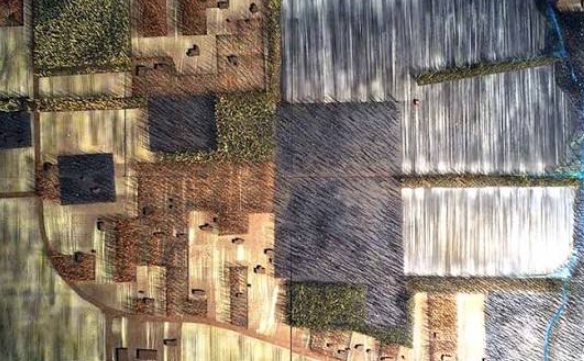
Landscape architecture is an incredible field where artistry meets ecology, and two figures stand out for their impactful contributions: Michel Desvigne and Georges Descombes. Both architects have shaped urban spaces, bringing a unique perspective to the integration of nature and design.
1. Michel Desvigne: Blending Nature with Urbanism
Michel Desvigne is renowned for his innovative approaches that harmonize urban spaces with natural landscapes. His projects often prioritize sustainable growth and the role of greenery in the urban fabric. For example, his work on the Parc de la Villette in Paris emphasizes not only design aesthetics but also the functionality of natural elements in an urban setting. This ability to merge cityscapes with ecology is significant for urban planners looking to enhance livability.
Through his emphasis on site-specific designs, Desvigne challenges conventional views of urban space. He actively promotes the idea that landscape architecture can influence human behavior and community interactions. The landscape has the potential to be more than just a backdrop; it can shape experiences and foster connections between people. This philosophy has made his work a point of reference for many young professionals in the field.
-
- Explore local vegetation for sustainable design.
-
- Incorporate water features for ecological balance.
-
- Engage community members in planning processes.
-
- Research existing landscapes for site-specific solutions.
2. Georges Descombes: Redefining Landscape in Context
Georges Descombes has established himself as a transformative figure in landscape architecture through his thoughtful approach to spatial contexts. By focusing on the interaction between human-made and natural environments, he emphasizes the architecture of space rather than merely the aesthetic value. One notable project is the restoration of the banks of the River Rhône, where Descombes was able to create vibrant public spaces while preserving ecological integrity.
Descombes’ philosophy is rooted in a profound awareness of local cultures and histories, allowing him to create designs that resonate with the site’s narrative. His projects often serve as a bridge between past and present, helping communities maintain their identity while adapting to new urban realities. This focus on context makes his work not just visually appealing but also meaningful and functional.
-
- Investigate local cultural narratives to inform designs.
-
- Apply ecological design principles to urban projects.
-
- Design for adaptability in changing environments.
-
- Foster public engagement in landscape planning phases.
3. Collaborative Projects: Strength in Unity
Both Desvigne and Descombes have been involved in projects that showcase the power of collaboration in landscape architecture. Their work often involves interdisciplinary teams that bring together diverse talents and perspectives, ultimately enhancing the quality of the final design. Collaborative efforts can lead to innovative solutions that address complex issues such as urban sprawl, climate change, and community needs.
For instance, in various projects across Europe, they have worked with ecologists, sociologists, and engineers to create designs that not only look good but also function effectively. Such teamwork ensures that multiple facets of a project are considered, leading to more holistic and sustainable outcomes. The tradition of collaboration has opened up pathways for future landscape architects to think beyond traditional boundaries.
-
- Build diverse teams for multidisciplinary insights.
-
- Encourage brainstorming sessions to fuel creativity.
-
- Focus on common goals to unify project efforts.
-
- Share knowledge and best practices within the team.
4. The Future of Landscape Architecture: A Vision Inspired by Both Desvigne and Descombes
As we look toward the future, the steps taken by Michel Desvigne and Georges Descombes illuminate pathways for emerging landscape architects. Their dedication to sustainability, community engagement, and ecological consciousness paves the way for the next generation. Understanding the deep interconnections between urbanism and nature is essential for addressing today’s pressing issues like climate change and urban density.
Emerging designers are encouraged to take inspiration from the legacies of Desvigne and Descombes by focusing on adaptive reuse, green infrastructure, and community-centric designs. Successful landscape architecture will require not just creativity but also a strong grounding in ecological principles and a commitment to inclusivity. These elements will ensure that their vision continues to evolve and thrive in an ever-changing world.
-
- Stay updated on sustainable practices in landscape design.
-
- Embrace community input throughout the design process.
-
- Utilize technology to enhance sustainable outcomes.
-
- Seek continued education through workshops and seminars.
In conclusion, Michel Desvigne and Georges Descombes represent a forward-thinking approach to landscape architecture that prioritizes sustainability, community, and cultural narratives. Their insights and practices encourage both seasoned professionals and newcomers to explore innovative methods within the field. Engaging with their work can inspire you to think critically about future projects and the ongoing evolution of our landscapes.