
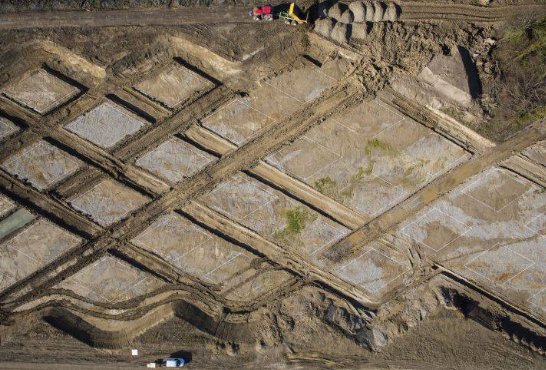
Georges Descombes is celebrated for his innovative approach to site planning, merging architecture with natural elements in a harmonious way. His work emphasizes sustainability, community interaction, and the importance of context in design, creating spaces that resonate with both people and the environment.
1. Principles of Sustainable Design
Descombes places a strong emphasis on sustainability in his site planning. He believes that design should not only fulfill aesthetic and functional requirements but also promote ecological balance. For instance, he often integrates native plant species into his landscapes, which helps conserve biodiversity while minimizing maintenance needs. This approach not only enhances the charm of a space but also contributes to a healthier ecosystem.
Moreover, water management is a critical component of his projects. By incorporating rain gardens and permeable surfaces, Descombes effectively manages stormwater runoff and promotes groundwater recharge. These techniques are particularly beneficial in urban areas where traditional drainage systems can create problems. His work serves as an insightful model for those interested in environmentally responsible design.
-
- Prioritize native plants for landscaping.
-
- Integrate rainwater management systems.
-
- Use sustainable and recycled materials.
-
- Consider the local climate in your design.
-
- Encourage ecological diversity in your projects.
2. Contextual Design: Blending with Environment
Contextual design is at the heart of Descombes’ philosophy. He believes that every site possesses its own unique character, which should be woven into the fabric of the design. For example, when designing public squares, he often analyzes the history and cultural significance of the location to create spaces that honor the environment. This engagement with the surrounding area invites community members to form a deeper connection with their spaces.
An excellent example of this contextual approach is Descombes’ work in urban parks where he integrates local topography and existing structures. By doing so, he preserves the historical aspects of the site while enhancing its utility. The result is public spaces that not only provide aesthetic value but also serve practical purposes while respecting their historical contexts.
-
- Analyze the historical significance of your site.
-
- Engage with local communities to gather input.
-
- Incorporate existing natural features into your design.
-
- Utilize materials that reflect the local architecture.
-
- Design for functionality as well as aesthetics.
3. Community Engagement in Planning
Another key aspect of Descombes’ philosophy is community engagement. He understands that the users of a space have valuable insights that can significantly influence the outcome of a project. This approach has led him to consult community members right from the initial planning stages, seeking their opinions and involving them in the design process. By doing so, he helps ensure that the completed space meets the needs of its intended users.
For instance, in his urban development projects, Descombes often organizes workshops where community members can share their ideas and preferences for public spaces. This interaction not only empowers residents but also fosters a sense of ownership over the spaces they inhabit. Successfully integrating community feedback into the design process results in sustainable environments that promote social interaction and well-being.
-
- Hold workshops to gather community input.
-
- Use surveys to understand users’ needs.
-
- Encourage local art and culture in your designs.
-
- Provide opportunities for ongoing community involvement.
-
- Utilize feedback loops for continuous improvement.
Georges Descombes’ innovative site planning techniques provide a valuable blueprint for creating spaces that harmoniously blend with their environments, engage communities, and prioritize sustainability. By incorporating his principles into your projects, you can help foster a more thoughtful and ecological approach to design. Whether you’re a professional architect or simply interested in making thoughtful enhancements to your community, start by reflecting on these concepts and how they can be applied to your own work.