
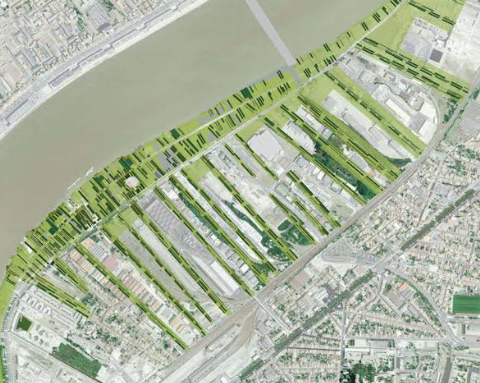
Michel Desvigne is a prominent figure in the realm of site planning and landscape architecture, celebrated for his innovative approaches that prioritize ecological sustainability and community engagement. His ability to blend natural landscapes with urban environments has redefined the way public spaces are used and perceived. In this blog post, we will delve into some key aspects of Desvigne’s site planning philosophy and explore how these principles can be effectively implemented in contemporary projects.
1. The Importance of Contextual Design
One of Michel Desvigne’s core beliefs is that site planning should be deeply rooted in the local context. This means considering the existing flora and fauna, the geographical characteristics of the land, and the cultural history of the area. By incorporating these elements, Desvigne’s designs are not merely functional but also resonate with the surrounding environment, creating spaces that feel inherently “right” for their location.
For example, in his project at the Parc Saint-Vincent in Avignon, France, Desvigne employed indigenous plant species to enhance biodiversity while also reflecting the local Mediterranean climate. By selecting plants that naturally thrive in the area, he minimized water usage and ensured that the landscape would require less maintenance. This contextual approach not only enriches the visual experience but also supports local ecosystems.
-
- Research the local climate and ecosystem before starting your design.
-
- Choose plant species that are native or adaptable to the area.
-
- Incorporate materials that reflect local geology and architecture.
-
- Engage with community members to understand local history and culture.
-
- Evaluate existing land use and consider how your design will interact with it.
2. Sustainability as a Core Principle
Sustainability is not just a trend; it’s a core principle in Michel Desvigne’s approach to site planning. Many of his projects prioritize ecological integrity, aiming to mitigate the negative impacts of urban development on the environment. Integral to this philosophy is the integration of green infrastructure, such as rain gardens and permeable pavements, which can significantly reduce stormwater runoff and improve water quality.
In the Cite du Design in Saint-Étienne, France, Desvigne implemented sustainable features that engage both the community and the environment. Incorporating elements like green roofs and carefully designed detention basins allowed the space to manage rainwater effectively while also providing usable outdoor areas for people to gather and enjoy. This holistic approach demonstrates that sustainable site planning can be both functional and beautiful.
-
- Incorporate green infrastructure into your designs to improve ecological performance.
-
- Utilize renewable materials and energy sources in your projects.
-
- Plan for biodiversity by providing habitats for various species.
-
- Design spaces that can adapt to climate changes over time.
-
- Educate the community about the importance of sustainability in design.
3. Community Engagement and Public Space Utilization
Another vital aspect of Desvigne’s work is his emphasis on community engagement. Effective site planning involves the users of the space, ensuring that the designs meet their needs and foster social interaction. Public spaces should not only be aesthetically pleasing but also serve as functional areas where communities can connect and engage with one another.
For instance, in his project for the Lyon Confluence area, Desvigne engaged with local residents to determine how they envisioned the shared spaces. The result was a vibrant riverside park that included walking paths, seating areas, and spaces for cultural events. By prioritizing community needs, he created a space that encourages people to gather, interact, and experience the outdoors together.
-
- Conduct surveys or workshops with community members to gather input.
-
- Design flexible spaces that can accommodate various activities.
-
- Incorporate elements that reflect community culture and identity.
-
- Encourage local artists or performers to contribute to the space.
-
- Plan for upkeep and community involvement in maintaining the space.
In conclusion, Michel Desvigne’s approach to site planning represents an inspiring fusion of ecological mindfulness, contextual sensitivity, and community involvement. By embracing these principles, landscape architects and designers can create spaces that are not only beautiful but also environmentally sustainable and socially enriching. If you’re thinking about developing a site, consider consulting with professionals who prioritize these essential practices. Your project can be a vital part of fostering a harmonious relationship between nature and community.