
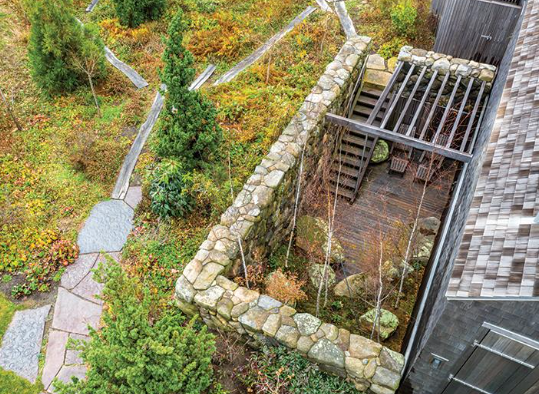
Michael Van Valkenburgh is a prominent figure in the field of garden design, renowned for his ability to blend nature with urban spaces seamlessly. With an approach that emphasizes both ecological sustainability and aesthetic beauty, he transforms gardens into vibrant living spaces that resonate with their surroundings.
1. The Philosophy Behind Van Valkenburgh’s Designs
At the heart of Michael Van Valkenburgh’s garden design philosophy is the belief that landscapes should engage the senses and inspire an emotional connection to nature. He aims to create spaces that foster interaction between people and the environment, often using native plants to enhance biodiversity. For example, many of his projects feature local flora that not only thrive in their respective climates but also support local wildlife.
Another key aspect of his philosophy is the social functionality of gardens. Van Valkenburgh designs spaces that promote community engagement, encouraging people to gather and appreciate the outdoors. He often incorporates elements such as walking paths, seating areas, and educational displays about plant life, making gardens accessible and informative for the public.
-
- Consider local ecosystems when choosing plants.
-
- Incorporate social spaces for community interaction.
-
- Prioritize sustainability in materials and resources.
-
- Design paths that invite exploration and engagement.
2. Key Features of His Signature Style
One distinctive characteristic of Van Valkenburgh’s design is his emphasis on layering. This involves creating multiple levels, both visually and physically, using varied plant heights and textures. Layering not only adds depth to a garden but also replicates the complexity found in natural environments. Projects like the Brooklyn Bridge Park showcase this technique beautifully, featuring a gradient of plants that attract diverse species and create a lush tapestry.
Water is another crucial element in many of his designs. Van Valkenburgh often integrates ponds, streams, or artificial waterfalls to enrich the ambiance of the gardens while promoting ecological health. The use of water not only enhances the visual appeal but also supports a range of aquatic and semi-aquatic plants and animals, creating an ecosystem within the garden.
-
- Explore different plant heights for layering effects.
-
- Incorporate water features for ecological richness and aesthetic beauty.
-
- Use native plants to enhance biodiversity.
-
- Design spaces that change with the seasons for year-round interest.
3. Successful Projects and Their Impact
Among the numerous projects Michael Van Valkenburgh has completed, the High Line in New York City stands out as a transformative work. This elevated park turned an obsolete railway into a vibrant public space, showcasing sustainable design practices and innovative plant choices that reflect the urban landscape. The success of the High Line has spurred similar projects worldwide, demonstrating the potential of urban greenspaces.
Another notable accomplishment is the 606 Bloomingdale Trail in Chicago. This project combines ecology and local culture, featuring art installations that reflect community history alongside diverse plant species. The 606 not only revitalizes the area but also serves as an essential transportation route for cyclists and pedestrians, enhancing urban mobility.
-
- Learn from existing urban transformation projects.
-
- Engage with the community to understand their needs and desires.
-
- Focus on local culture and history in design choices.
-
- Promote accessibility and connectivity through pathways.
In conclusion, Michael Van Valkenburgh’s approach to garden design harmonizes ecological principles with community engagement, crafting spaces that foster a deeper connection to nature. Whether you are looking to design your own garden or inspire a community project, exploring Van Valkenburgh’s methods can enhance both the beauty and functionality of outdoor spaces. Consider consulting a professional to discuss your specific needs and take the first step toward creating a vibrant garden today.