
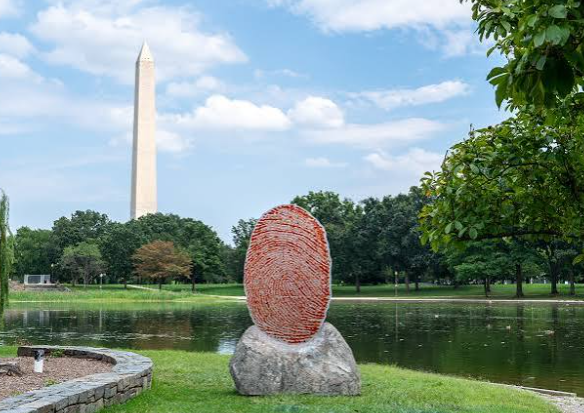
Public monuments are an important component of urban public spaces. Common forms include statues of historical figures, memorial columns, war memorials, and commemorative buildings. Unlike ordinary decorative sculptures, public monuments typically embody specific historical events, figures, or cultural themes. Their design involves not only artistic form but also consideration of the built environment, spatial scale, material structure, and public activities. From city squares to historical parks, public monuments integrate urban history into daily life through specific architectural and sculptural forms.
1. Main Types and Architectural Characteristics of Public Monuments
The form of a public monument usually depends on the commemorative theme, the construction site, and the design objectives.
Figurative sculptures are a common type, including standing statues, equestrian statues, and busts. These works depict specific historical figures through clothing, posture, and facial expressions, and are typically placed in parks, squares, or near important public buildings.
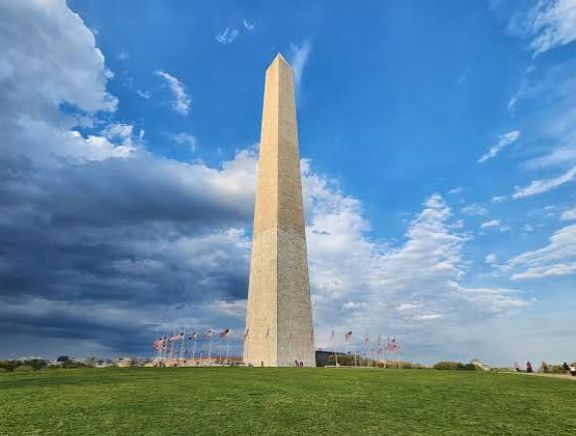
Memorial columns and towers emphasize vertical space. For example, the Washington Monument in the United States uses an obelisk shape, forming a striking urban landmark through a simple geometric structure.
War memorials typically combine memorial walls, inscriptions, sculptures, and open spaces. The Vietnam Veterans Memorial in Washington, D.C., creates spaces for people to walk, read, and remember through sunken walkways and black granite walls engraved with the names of the fallen.
These different types of memorials demonstrate that commemorative architecture does not necessarily rely on massive scale; its spatial organization can also significantly impact the visitor experience.
2. How can public memorials integrate with urban spaces?
In architectural and landscape design, the location of a public memorial often determines its visual impact and usage.
First, there is the spatial scale. Large memorials usually require sufficient viewing distance to allow pedestrians to fully appreciate the work. Smaller sculptures can be placed in courtyards, at walkway intersections, or near building entrances.
Second, there is the organization of site axes and sightlines. Designers can utilize plaza centers, road ends, or building axes to highlight the memorial’s location while avoiding sculptures obstructing main traffic routes.
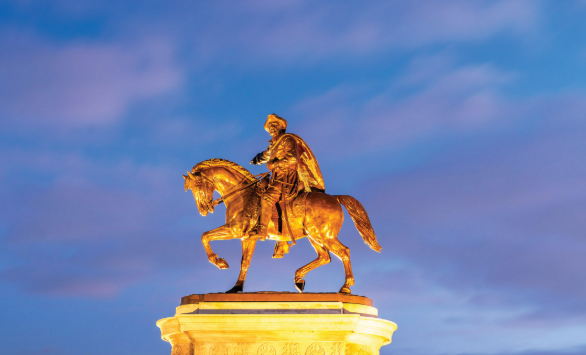
For example, the Sam Houston Monument in Hermann Park, Houston, Texas, is a bronze equestrian memorial sculpture. The artwork combines historical figures with horses, creating a clear visual center through a high pedestal.
Other areas in Texas also preserve different forms of Sam Houston memorials. By comparing these Sam Houston Statues, one can observe the differences in spatial scale and display methods between standing colossal statues, equestrian monuments, and portrait sculptures.
For architects, these examples help understand how memorial sculptures adapt to different environments such as parks, city streets, and the surroundings of historic buildings.
3. Material Selection and Structural Design of Public Monuments
Public monuments are typically exposed to the outdoor environment for extended periods; therefore, material selection must balance artistic expression and engineering performance.
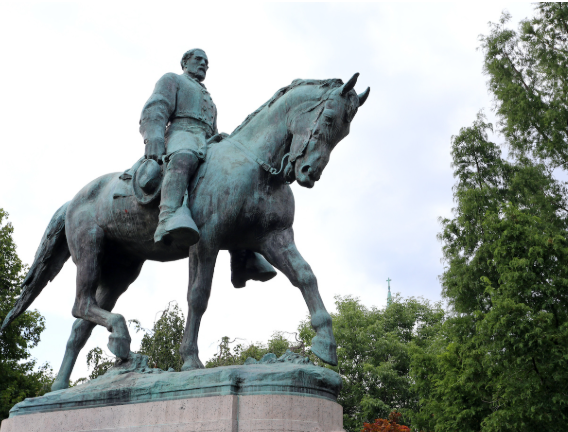
Bronze has good casting properties, enabling the rendering of details such as facial features, clothing folds, and animal muscles, and is often used for realistic portrait statues and equestrian memorial sculptures.
Granite, marble, and other natural stones are commonly used for the main body, pedestal, and memorial wall of monuments. Among these, granite, due to its good wear resistance and weathering resistance, is widely used in outdoor memorial architecture.
Modern monuments can also utilize steel structures, stainless steel, and reinforced concrete to meet the construction needs of large or complex shapes.
In structural design, engineers need to focus on assessing wind loads, self-weight, overturning resistance, foundation bearing capacity, and connection nodes. For large metal sculptures, internal support structures, material thermal expansion and contraction, and long-term maintenance also need to be considered.
Furthermore, the connection method between the base and the main body, rainwater drainage, corrosion protection, and maintenance access should all be fully considered during the design phase.
4. Design Trends and Maintenance Management of Modern Public Monuments
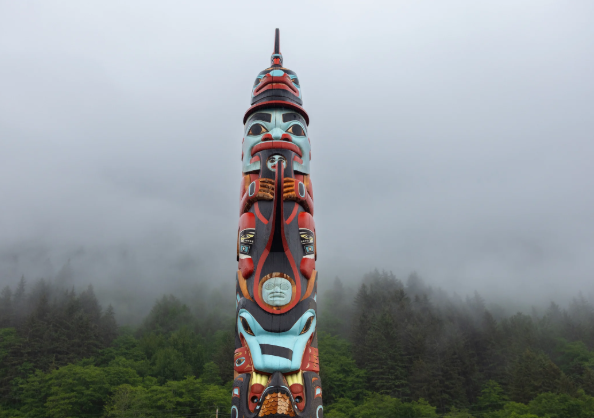
Contemporary public monument design is gradually shifting from single commemorative objects to comprehensive public spaces.
Some commemorative projects organize visitor flow through walkways, vegetation, water features, and open plazas, allowing commemorative activities to coexist with daily leisure.
Accessibility design is equally important. Monuments should be surrounded by reasonable access widths, ramps, and rest areas to ensure that visitors of different ages and physical conditions can access and understand the commemorative content.
For existing historical monuments, conservation efforts require maintenance plans tailored to the material condition. For example, bronze sculptures require regular inspections of the surface protective layer, corrosion, and structural connections; stone monuments require attention to cracks, contamination deposits, and drainage issues. At the same time, the historical interpretation of public monuments is receiving increasing attention. By adding explanatory plaques, digital guides, and historical materials, cities can provide the public with a more complete context for the artwork without altering the original architectural structure.
From architectural design to historical preservation, the value of public monuments lies not only in the sculpture itself but also in its relationship with the site, the urban landscape, and the needs of public use. Rational spatial planning, material selection, and long-term management are crucial foundations for the continued effectiveness of commemorative public art.