
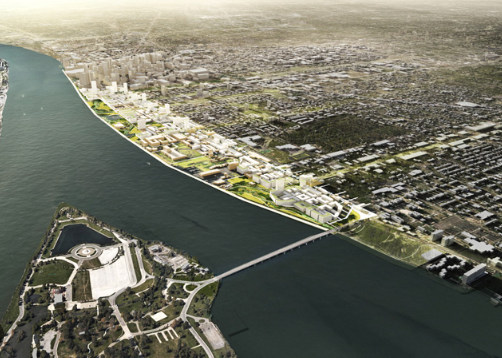
Michel Desvigne is a renowned landscape architect who has made significant contributions to waterfront design across the globe. His innovative approach focuses on creating harmonious interactions between nature, urban spaces, and community needs. This blog post delves into Desvigne’s methodologies and projects, showcasing how his designs enhance waterways and urban environments.
1. The Philosophy Behind Desvigne’s Designs
Michel Desvigne believes that nature plays a critical role in urban planning, especially when it comes to waterfronts. His designs are not just about aesthetics; they incorporate ecological principles that promote sustainability and biodiversity. By emphasizing the importance of the site’s natural topography and hydrology, Desvigne creates spaces that are both functional and visually appealing.
Furthermore, his philosophy extends to using materials and plants that are native to the area, ensuring that the design aligns seamlessly with the local ecosystem. This approach not only maintains the environment but aims to bolster it, providing habitats for various species and enhancing the community’s connection with nature.
-
- Research local flora and fauna before designing.
-
- Assess the site’s hydrology and topography.
-
- Incorporate elements that mimic natural processes.
-
- Use sustainable materials to minimize environmental impact.
2. Key Projects and Their Impact
One of the most notable projects by Desvigne is the redevelopment of the Seine riverbanks in Paris. This project transformed a once-neglected area into vibrant public spaces filled with gardens, cafes, and walking paths. It successfully invited people back to the water, celebrating the river as an essential aspect of Parisian life.
Another significant project includes the revitalization of the waterfront in Bordeaux. By creating a series of accessible parks and recreational spaces, he not only enhanced the city’s aesthetic appeal but also promoted recreational activities for residents and tourists. These projects demonstrate how effective waterfront design can encourage social interaction and community engagement.
-
- Analyze the cultural and historical context of the waterfront.
-
- Engage with community members during the design process.
-
- Include various functionalities like leisure and education in the design.
-
- Ensure that public spaces are accessible for everyone.
3. Techniques for Effective Waterfront Design
Desvigne employs various design techniques to create effective waterfront spaces. One approach is integrating boardwalks and trails that encourage exploration and interaction with the water. This not only enhances accessibility but also invites diverse groups to enjoy and utilize the waterfront.
In addition to pedestrian access, he incorporates green infrastructure such as rain gardens and bioswales. These features help manage stormwater naturally while enhancing the area’s beauty. This technique is also vital for improving water quality, ensuring that urban runoff is filtered before entering the waterway.
-
- Design multi-use pathways for pedestrians and cyclists.
-
- Incorporate natural water management solutions in your design.
-
- Create viewing points to enhance the experience of the waterfront.
-
- Consider seasonal changes and how they affect usability.
4. The Role of Community Engagement in Design
Community engagement is a cornerstone of Desvigne’s design process. He understands that local residents should have a say in the creation of public spaces, making them feel part of the transformation. Workshops, surveys, and planning sessions are integral to gathering community input to meet their needs effectively.
By encouraging community involvement, projects tend to foster a sense of ownership among users. This ownership leads to increased use and care for the space, helping to ensure that the waterfront remains a beloved feature in the community for years to come.
-
- Create forums for community discussion and input.
-
- Use surveys to gather opinions and preferences from residents.
-
- Incorporate feedback into the design processes iteratively.
-
- Host events to celebrate milestones in the project development.
Michel Desvigne’s waterfront designs are more than just landscapes; they’re transformative spaces that engage communities and restore natural ecosystems. By leveraging his innovative techniques and philosophy, cities can enhance their waterfronts into vibrant hubs for recreation and social interaction. If you’re inspired by Desvigne’s approach, consider consulting a professional landscape architect for your next project, or even getting involved in community discussions about local waterfront developments.